
WE WORK FOR FAIRNESS, EQUITY, AND SUSTAINABILITY: CLIMATE JUSTICE FOR FUTURE GENERATIONS

Climate change is already affecting communities across the Inland Northwest. Hotter summers, longer wildfire seasons, declining snowpack, and poor air quality are changing how we live, work, and recreate.
Climate justice centers the voices, knowledge, and experiences of communities most affected by our environmental and climate issues. Through community engagement, civic education, and advocacy, The Lands Council’s Climate Justice Program strengthens community participation in environmental decision-making and advance equitable climate and environmental policy.
Environmental and climate impacts do not affect all communities equally. Differences in household incomes, geography, infrastructure, access to resources, and political power can shape both exposure to environmental risks and the ability to respond to them.
Climate justice recognizes that healthy communities depend on healthy lands, water, and wildlife, and works to ensure that people have meaningful opportunities to shape the policies and decisions that affect the places and ecosystems we rely on.
This means that TLC is making sure everyone has access to clean air, healthy communities, and the tools to adapt as our climate changes, regardless of zip code or income. It's not an issue for some of us. It's an issue for all of us.
What We Do
The Lands Council’s Climate Justice Program advances equitable climate and environmental solutions through policy advocacy, civic engagement, community education, and collective action. Our work connects environmental issues with the people, communities, and institutions shaping the future of our land, water, air, and communities.
Our work focuses on:
Climate & environmental policy: Engaging in local, state, and regional policy and planning processes and advocating for strong environmental and public health protections.
Community education: Creating accessible resources, workshops, and learning opportunities that build understanding of environmental issues, climate impacts, and pathways for civic participation.
Civic Engagement: Helping community members navigate public processes, connect with government, and engage effectively on issues that matter to them.
Community leadership & capacity: Building knowledge, skills, relationships, and leadership among residents and community partners.
Coalition building: Bringing people and organizations together around shared environmental concerns, priorities, and opportunities for collective action.
Environmental justice: Addressing inequities in environmental impacts and access to resources while centering community knowledge, experience, and priorities.
Climate justice in practice— what does our work actually look like?
Clean Air & Community Health
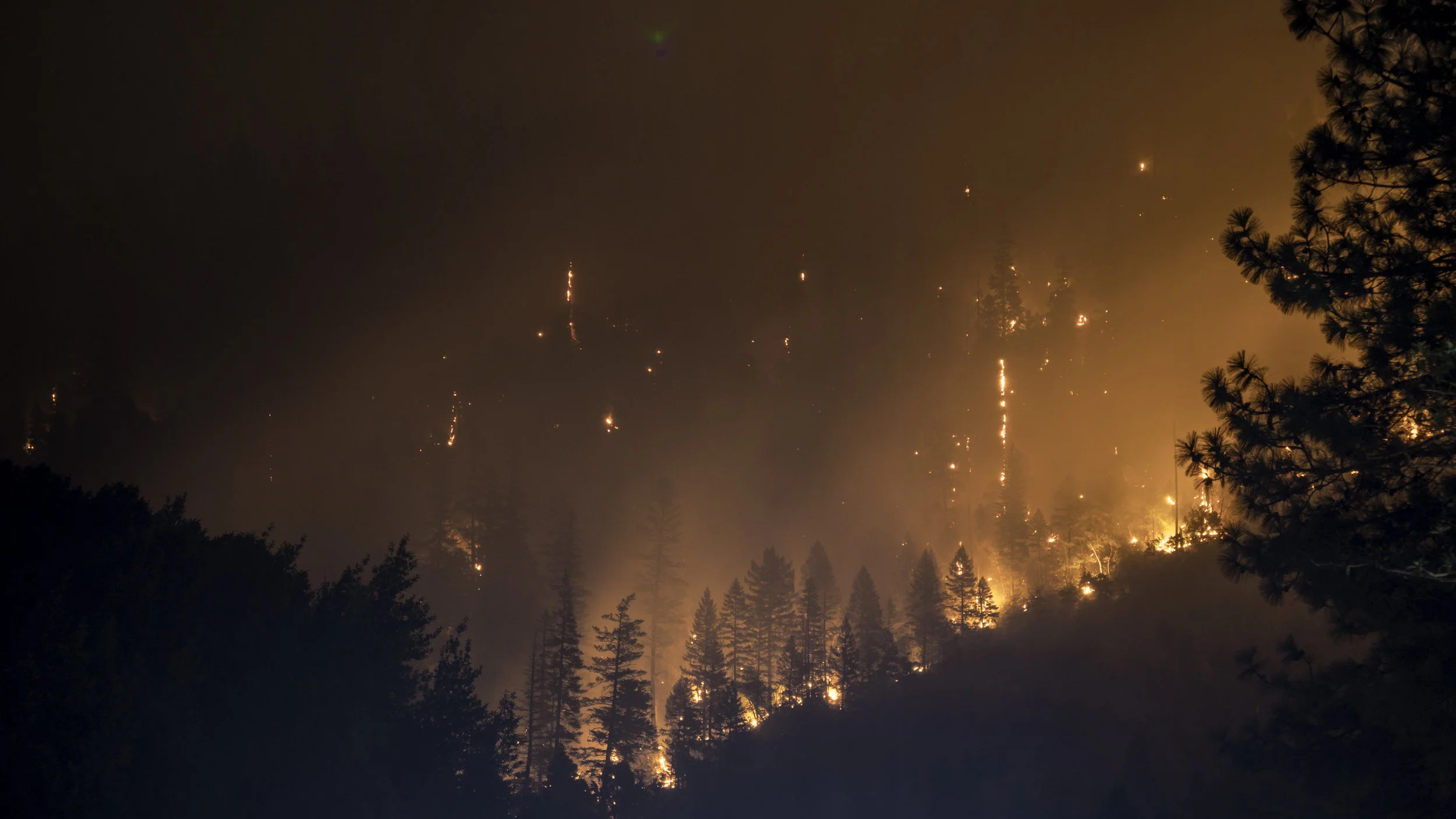
Wildfire smoke and poor air quality can create serious health risks, particularly for people with limited access to effective indoor air filtration. Through our clean air projects, we have distributed more than 400 portable air purifiers to community members and organizations while working to strengthen long-term approaches to clean air and public health.
Good Fire: Prescribed & Cultural Burning
Alongside The Lands Council’s Public Lands program, the Climate Justice Program recognizes that fire is an important part of healthy ecosystems, and Indigenous communities have long practiced cultural burning to care for land and support ecological and community well-being. The Land’s Council’s Climate Justice work supports efforts to expand understanding and responsible use of good fire through education, relationship-building, and collaboration.
We are working with Indigenous burn networks, local Native-led organizations, and regional partners to build community knowledge and engagement around prescribed and cultural burning. The Lands Council established the Northeast Washington Prescribed Burn Association (NE WA PBA) and participates in regional efforts including the Spokane Wildfire Mitigation Coalition, creating opportunities for communities to learn about, engage with, and support the responsible use of fire.
Civic Engagement & Community Capacity
Environmental and climate issues are shaped by decisions at every level of government and within our communities. We develop accessible educational resources and learning opportunities that help residents understand environmental issues, navigate civic processes, connect with others, and participate in collective action.
Policy & Systems Change
The Climate Justice Program participates in policy, planning, and regional collaboration across the Inland Northwest and Washington State. We work with coalitions, community organizations, Tribal and Indigenous partners, Immigrant and Refugee communities, Black communities, local governments, and other stakeholders on emerging environmental and climate issues. This work ranges from state legislative advocacy to regional policy development, community engagement, and collaborative efforts addressing the environmental pressures shaping our communities and ecosystems.
Recent work includes participation in Washington State legislative efforts such as HB 2416, as well as regional collaboration on issues including data center development. Working as part of the emerging Spokane Environmental Policy Coalition, the Climate Justice Program contributes to policy responses, drafts, rebuttals, and engages community members around the implications surrounding policy and systems.
Our work spans issues including energy, land use, water, air quality, environmental health, and climate resilience, with a focus on bringing environmental and community priorities into the policies and decisions that affect the region.
Building a More Resilient Inland Northwest
Resilience is built through knowledge, relationships, and the ability of communities to respond to environmental challenges. The Climate Justice Program supports community education, preparedness, and collaboration around issues such as wildfire smoke, prescribed and cultural burning, and climate-related impacts on health and ecosystems.
Through partnerships with Tribal and Indigenous organizations, community groups, local governments, and regional coalitions, we create opportunities for people to learn, build skills, share knowledge, and participate in solutions that strengthen the health of our communities, lands, waters, and ecosystems.