ADam gebauer
public lands PROGRAM Director
Profile by Robin Brodt
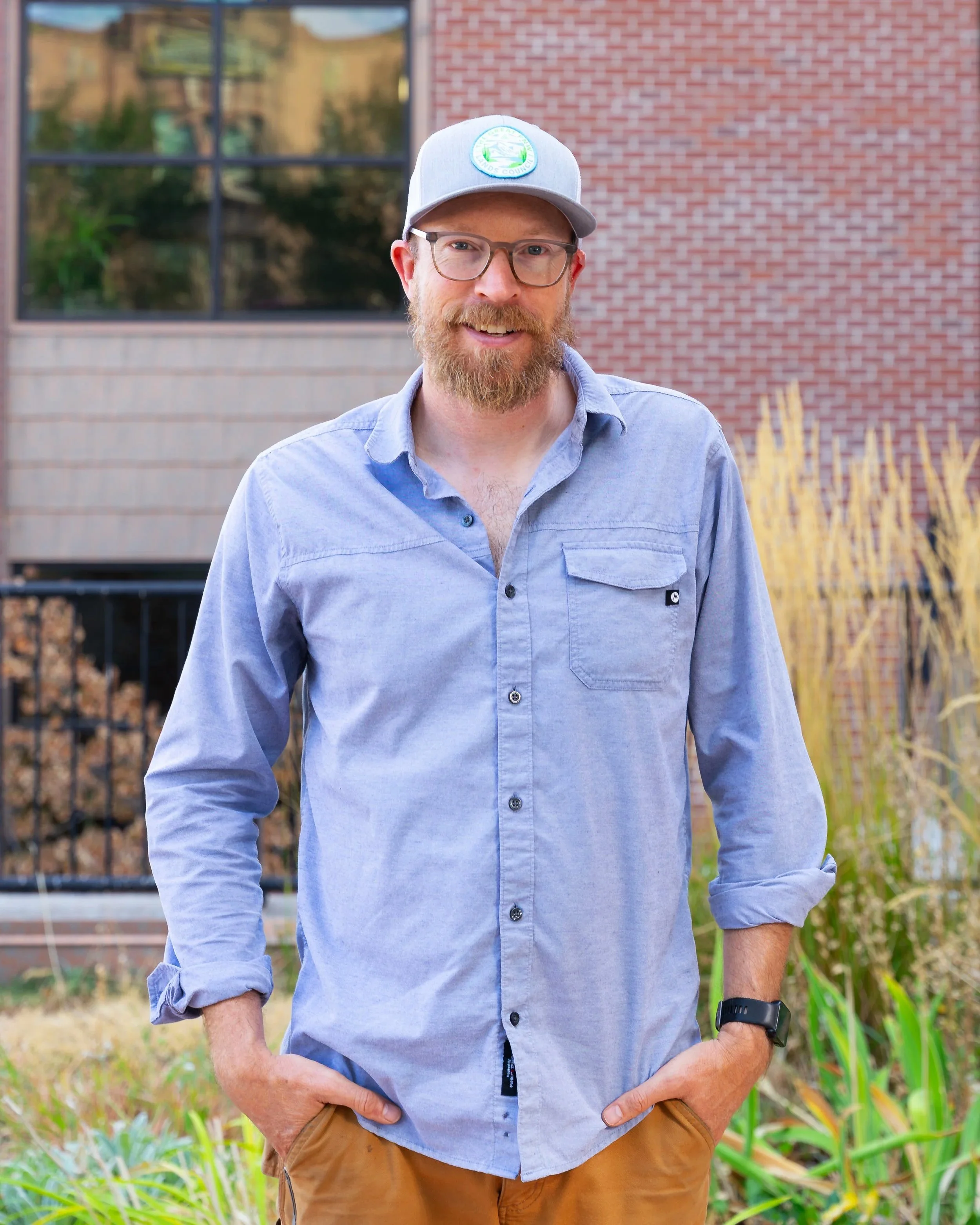
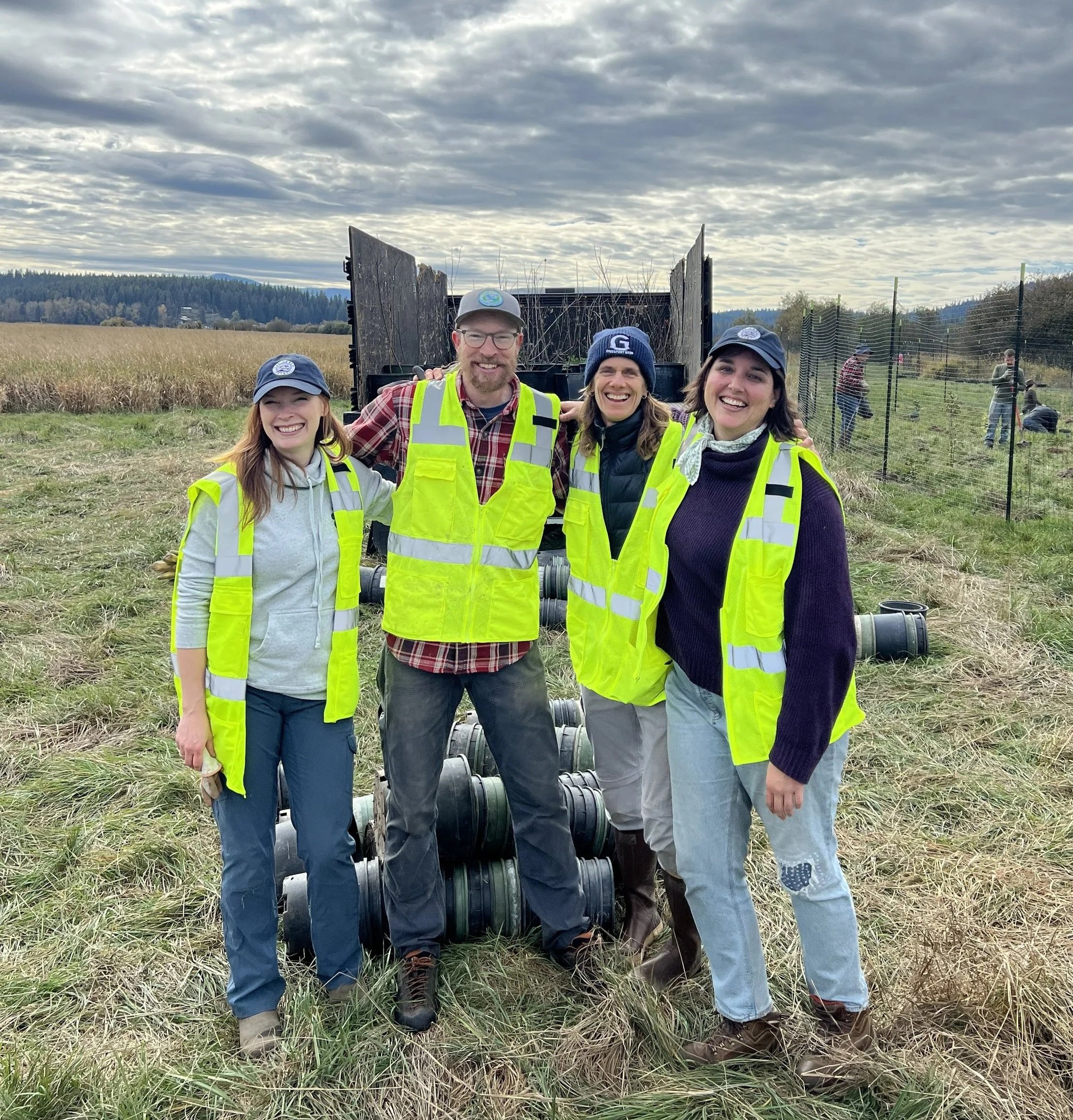
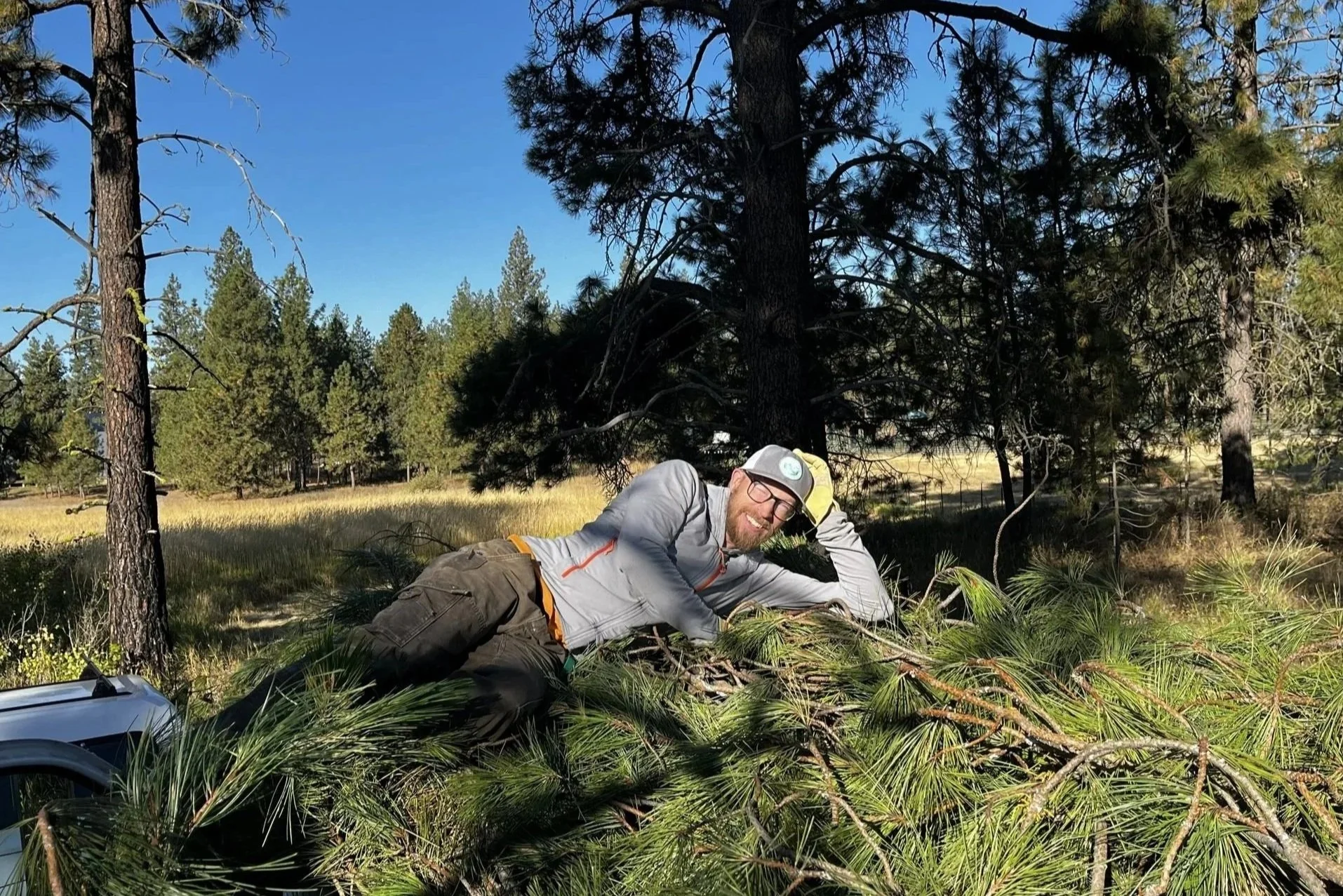
As the Public Lands Program Director for The Lands Council, ecologist Adam Gebauer provides the scientific foundation the organization stands on. His expertise in ecology and collaboration with multiple agencies — from the Northeast Washington Forest Coalition (NEWFC) to the Upper Columbia United Tribes — fuels a mission that’s as practical as it is passionate: restoring wildlife habitat and improving forestry practices across the region.
Adam serves on the board of NEWFC, which represents diverse groups of community members, including conservation interests, recreation, and timber industry. They work directly with the Colville National Forest to inform timber projects and forest restoration. Through NEWFC, Adam has recently facilitated a fish passage project, helping a forest landowner improve habitat for native trout on their property.
PRESCRIBED BURNING
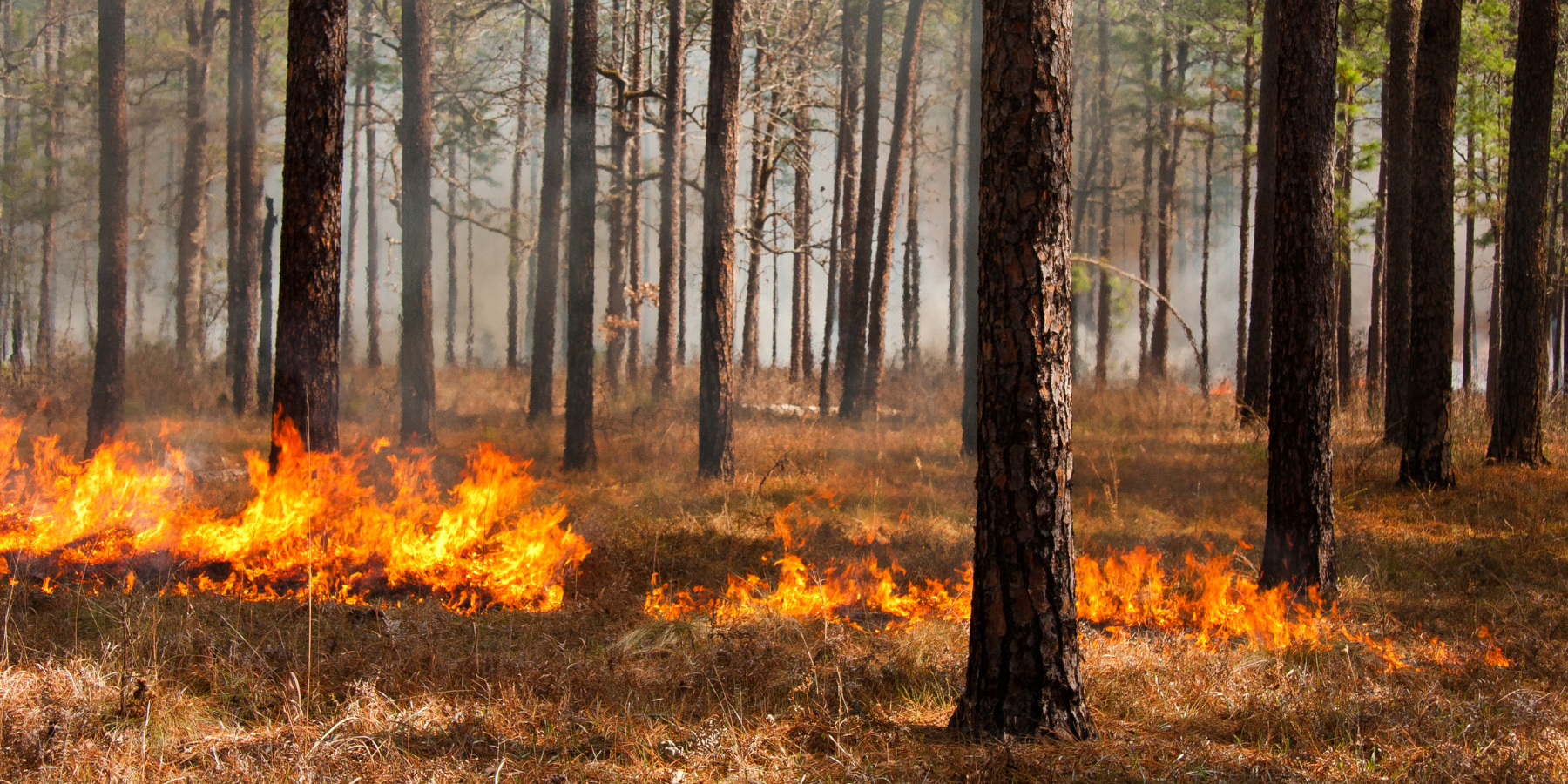
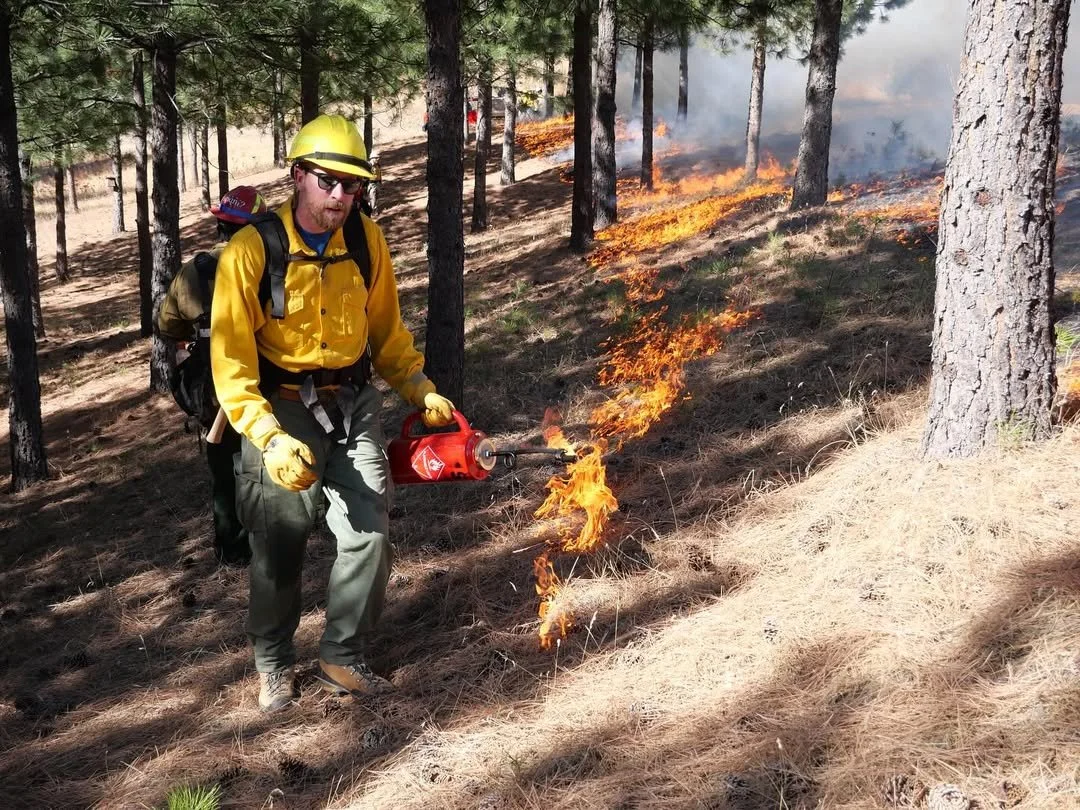
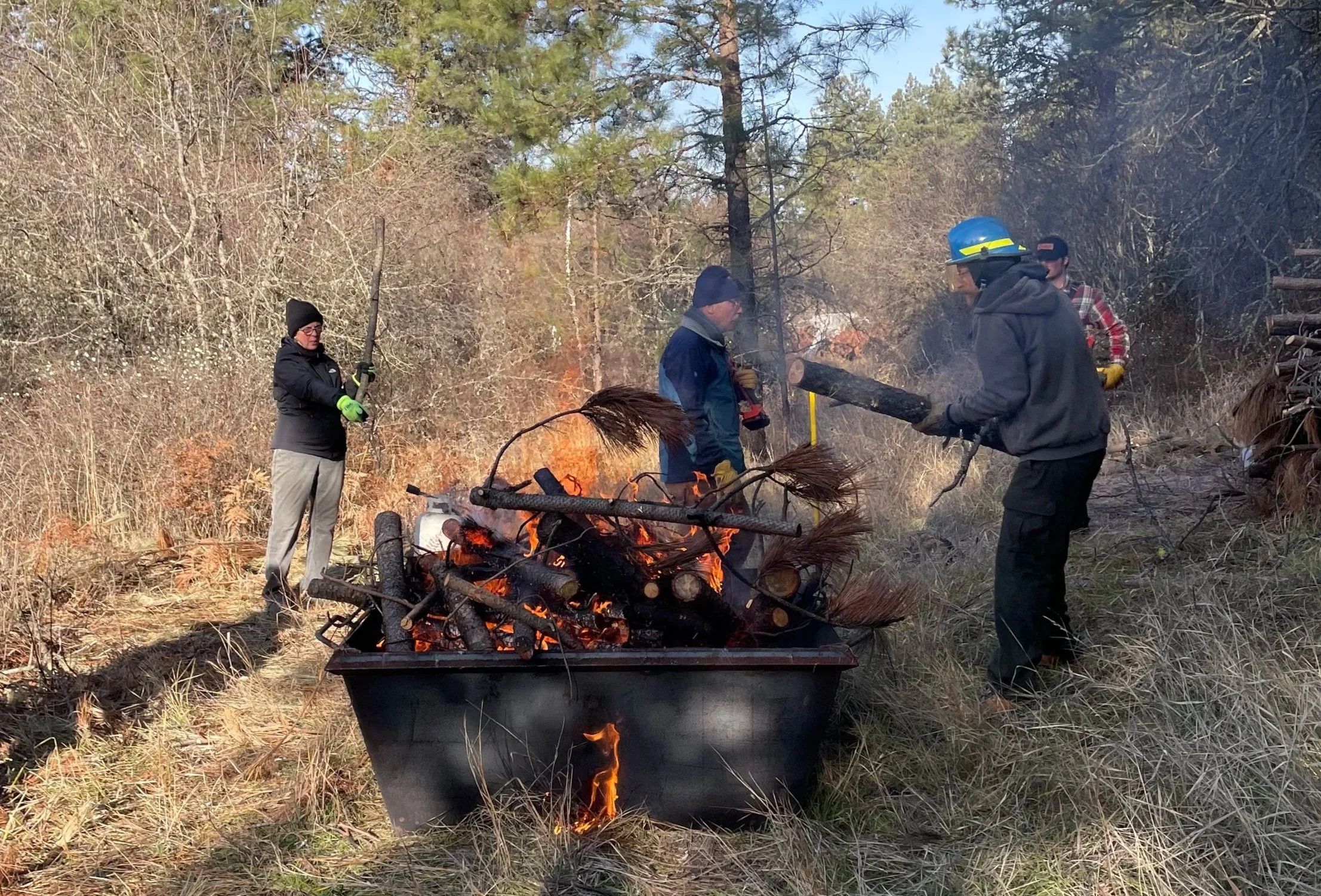
One of Adam’s current priorities is helping organize a Prescribed Burn Association in Northeast Washington. Prescribed burns — carefully managed fires — play a critical role in keeping forests healthy, curbing the effects of climate change, and reducing the threat of catastrophic wildfires.
“These associations help train people, provide equipment, and make sure burns are done safely,” Adam explained. “Right now, Washington has three — in Okanogan, Leavenworth, and Mount Adams — all in the Cascades. We want to bring that model here.”
He’s also been involved with Selkirk TREX, short for “Training Exchange,” a hands-on prescribed fire training program that builds local expertise. “We’re trying to increase the pace and scale for folks certified to work with prescribed fire,” he said.
A big part of that work, Adam added, involves rebuilding a relationship with Tribal communities who have long used fire as a tool for stewardship. “For 200 years, prescribed burning — including Tribal traditions that used fire to protect native plants, attract wildlife, and create healthy forest conditions — was banned,” he said. “Now, we’re learning from those traditions again.”
“Getting prescribed fire back into community hands — using Tribes as models and working with fire together — means we can put more good fire on the ground,” Adam explained. “If we burn at the right times, like in spring and fall when there’s more moisture, we get less smoke during the hottest times of the year and healthier forests. Our job is to help communities understand that this is necessary for forest health and safety.
“And honestly,” he added with a grin, “it’s pretty fun to put fire on the ground and watch it do its work — safely, responsibly, and on our own terms.”
Beaver restoration
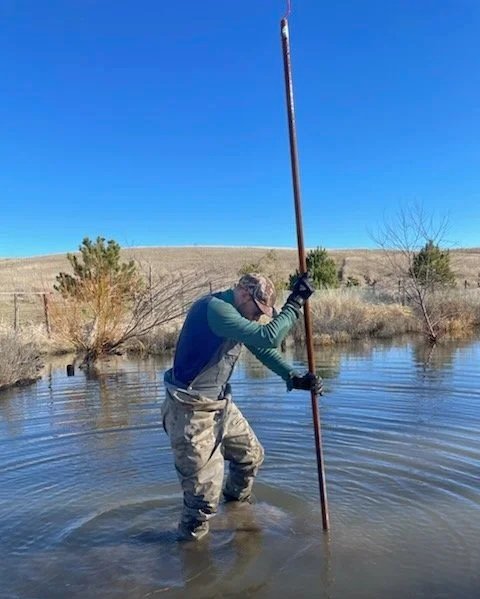
Another big part of Adam’s job is beaver restoration. More and more, environmental groups are recognizing beavers as powerful allies when it comes to solving natural resource and environmental challenges.
By building dams, beavers help recharge groundwater and create wetlands. Those wetlands do a lot of good — they hold and spread water more evenly through dry spells and rainy seasons, capture carbon, filter out pollutants, and even help reduce flooding and wildfire risks. Beavers also improve fish habitat by placing wood in streams, creating calmer pools where trout and salmon can rest and feed.
“I spend a lot of time helping landowners live with beavers — figuring out how to limit any damage from their dams and encouraging folks to let them stay,” Adam said. The Lands Council team can lend a hand by wrapping the bases of trees that beavers like to chew, or by installing pond levelers that lower water levels and keep flooding in check.
building community
Adam’s environmental roots run deep. Before joining The Lands Council, he worked for The Nature Conservancy and the U.S. Forest Service, and led wilderness trips for teens in the Southwest and New England. “I learned about The Lands Council about 15 years ago when I first moved to Spokane,” he said. “Two of the first people I met were Amanda Parrish and Joe Cannon. I started volunteering — planting trees during SpoCanopy Days and helping Joe with TLC’s beaver relocation program.”
That connection to community — and to the next generation — still drives him. One of The Lands Council’s most popular programs is SnowSchool, where staff take local students to Mount Spokane for a day of snowshoeing and outdoor learning.
“When I’ve helped with SnowSchool, we’ve had kids who are just in awe,” Adam said. “We talk about the work we do and other outdoor jobs — hydrologists, avalanche forecasters, ski patrollers, search and rescue. For a lot of these students, it’s their first time on snowshoes, their first time on Mount Spokane. They love it, and they ask so many questions. They want to know how they can work outside too.”
Many of those kids, Adam pointed out, have never even visited Mount Spokane — or the Spokane River. “Sometimes they don’t know these places exist,” he said. “It’s not that they don’t care — it’s that they don’t have access. No transportation, no adults to take them. That’s why programs like this matter. They open doors to the outdoors.”