By Kat Hall, Restoration Director
Happy Groundhog Day, everyone!
Punxsutawney Phil saw his shadow this morning, which means we can expect 6 more weeks of winter. While most of the country may be lamenting this prediction, much of the western US is wondering if winter has even shown up at all!
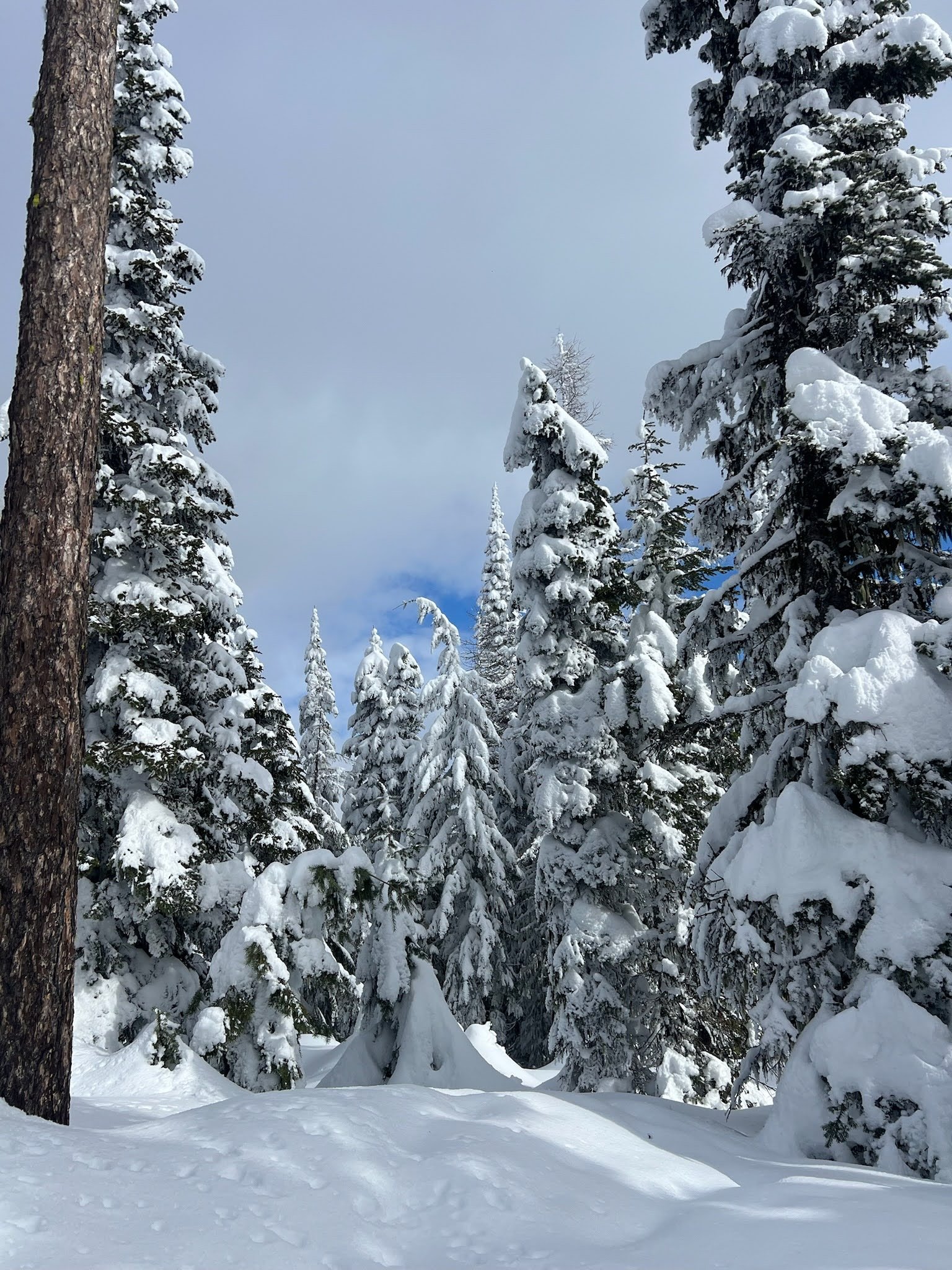
What a strange season it’s been. We rang in the New Year with 6” of snow on the ground at the Quartz Peak SNOTEL station on Mt. Spokane. Compare that to a depth of 42” on New Year’s Day last year. As I write this blog post, only 14” of snow sits atop Mt. Spokane, whereas 54” blanketed the land on Groundhog Day in 2025. It goes without saying that this means less than ideal skiing and snowboarding conditions, but should we be concerned otherwise?
The short answer is yes. Our region needs a thick mountain snowpack to melt gradually, refill our rivers, lakes, and aquifers, and prevent drought. I like to think of our snowpack as a “snowbank”…the more snow we have on the mountain, the more water we’ll ultimately have in our aquifer. But climate change projections in the Inland NW forecast that our winters will see less snow and more rain, and the snow that we do get won’t last as long. “Precipitation is precipitation, right?” you might ask. Well, while rainfall helps, it’s no substitute for a deep snowpack. Excess rain cannot be stored like snow can, so much of it drains away into the Pacific Ocean. In this region, we’re accustomed to a reliable water supply powered by our mountain snowpack, and our local infrastructure and water use habits reflect this. However, “new normal” temperature and precipitation patterns foreshadow our need to use less water and reconfigure how to effectively capture and store it when it falls as rain. As for this year, while there is still a lot of winter left, if current snowfall trends continue, we’ll likely be looking at very low streamflows and an aquifer shortage come spring, not to mention a potentially longer and more dangerous summer wildfire season.
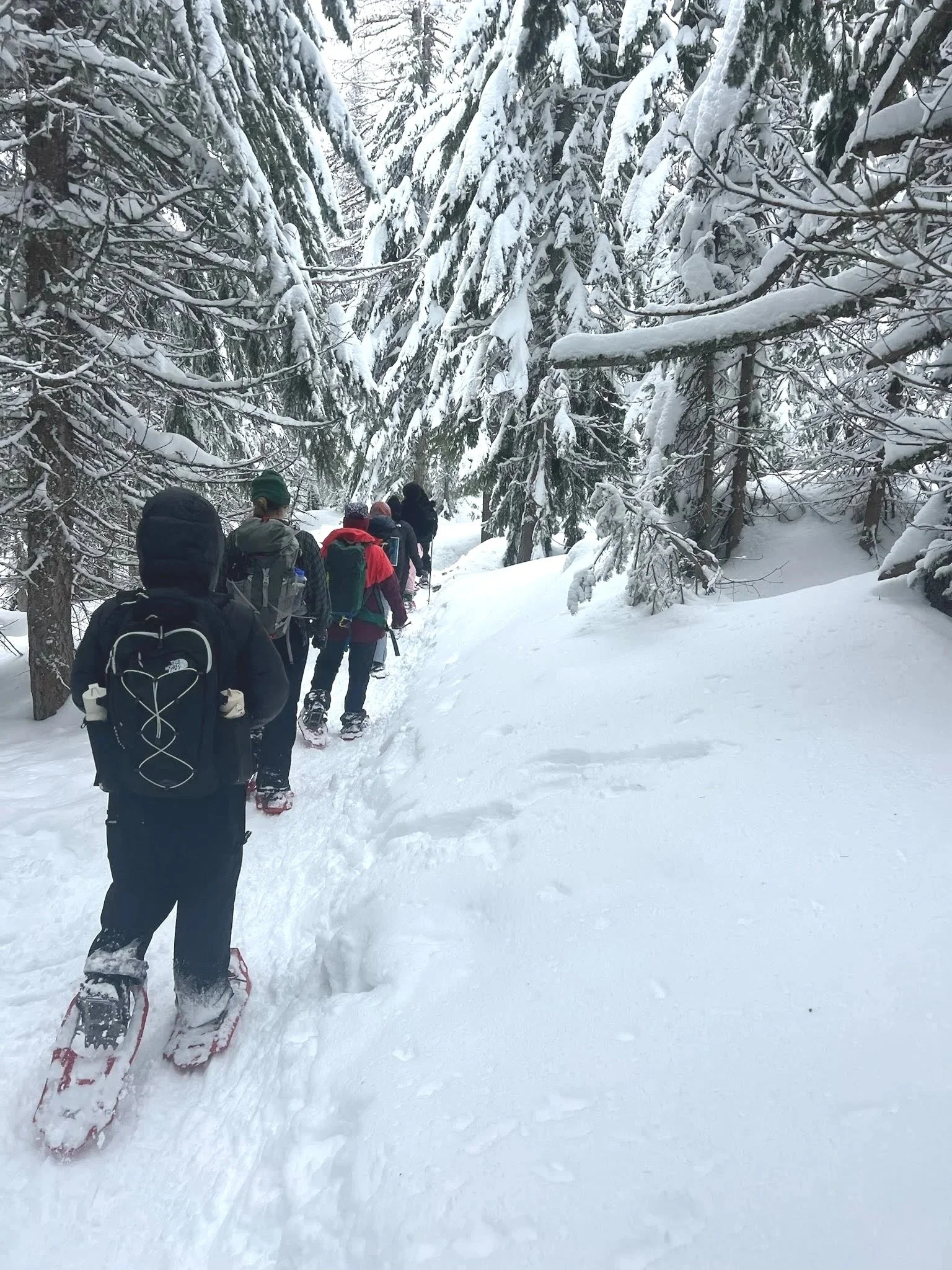
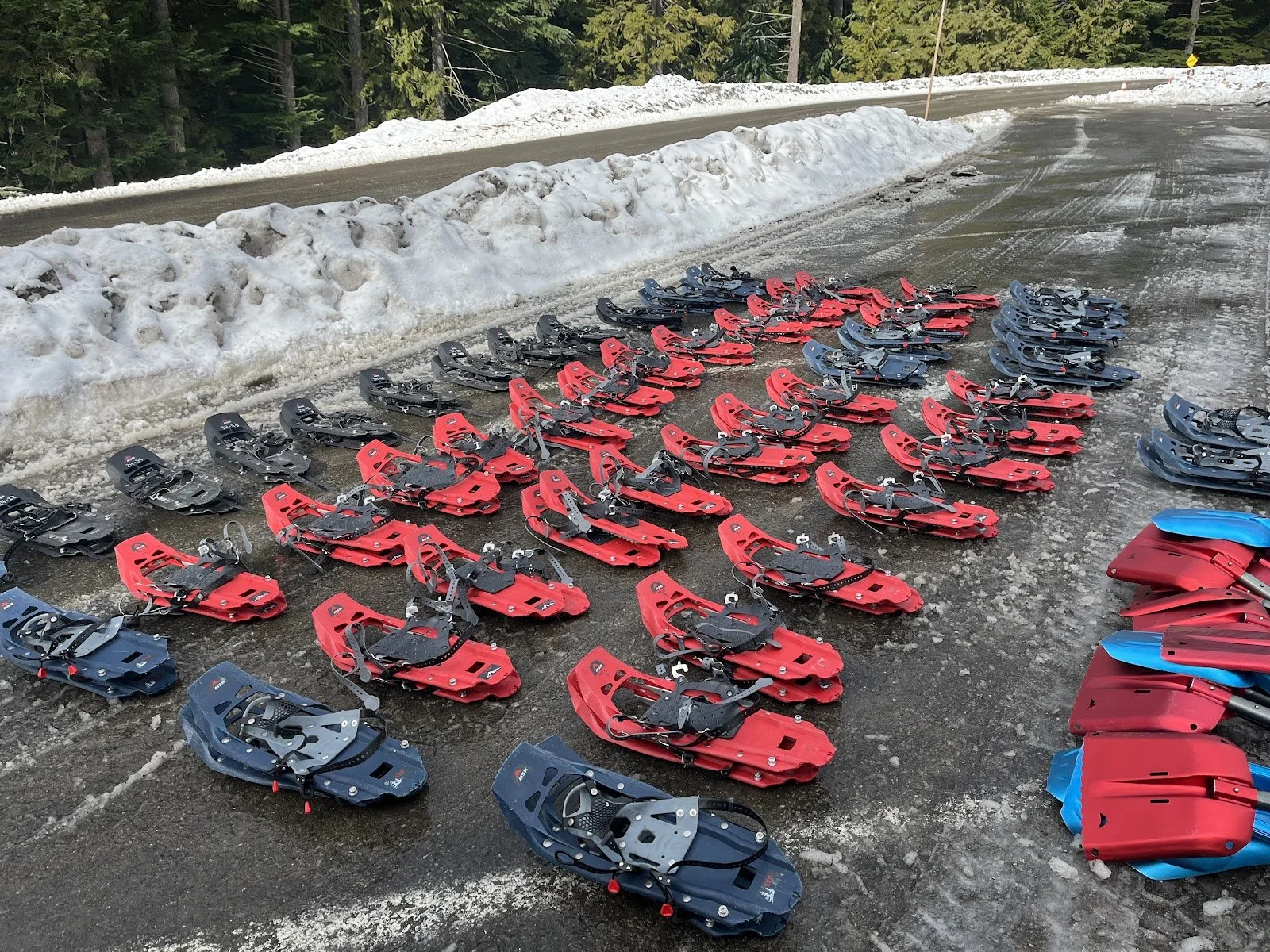
During the next two months, The Lands Council will be facilitating our annual K-12 “SnowSchool” educational program on Mt. Spokane. As part of SnowSchool, students don snowshoes and hike up the mountain. They dig snow pits to the ground (which is normally 7’ deep), identify, mark, and measure snow layers, and record mass and density measurements. This allows them to calculate the snow water equivalent - the amount of water that will ultimately recharge our rivers, lakes, and aquifer. As we teach kids, “The snow that we’re snowshoeing on today will melt and become the water we drink in July.” We explore the relationship between our mountain snowpack and wildfires and discuss how climate change and local population growth are projected to impact the snowpack. Students also participate in a scavenger hunt focusing on plant and animal adaptations to winter (e.g. hibernate, migrate, tolerate) and learn about avalanche awareness and safety by performing a search-and-rescue activity using beacons and probes.
Stay tuned for an update on SnowSchool 2026, complete with photos, in our next blog post!
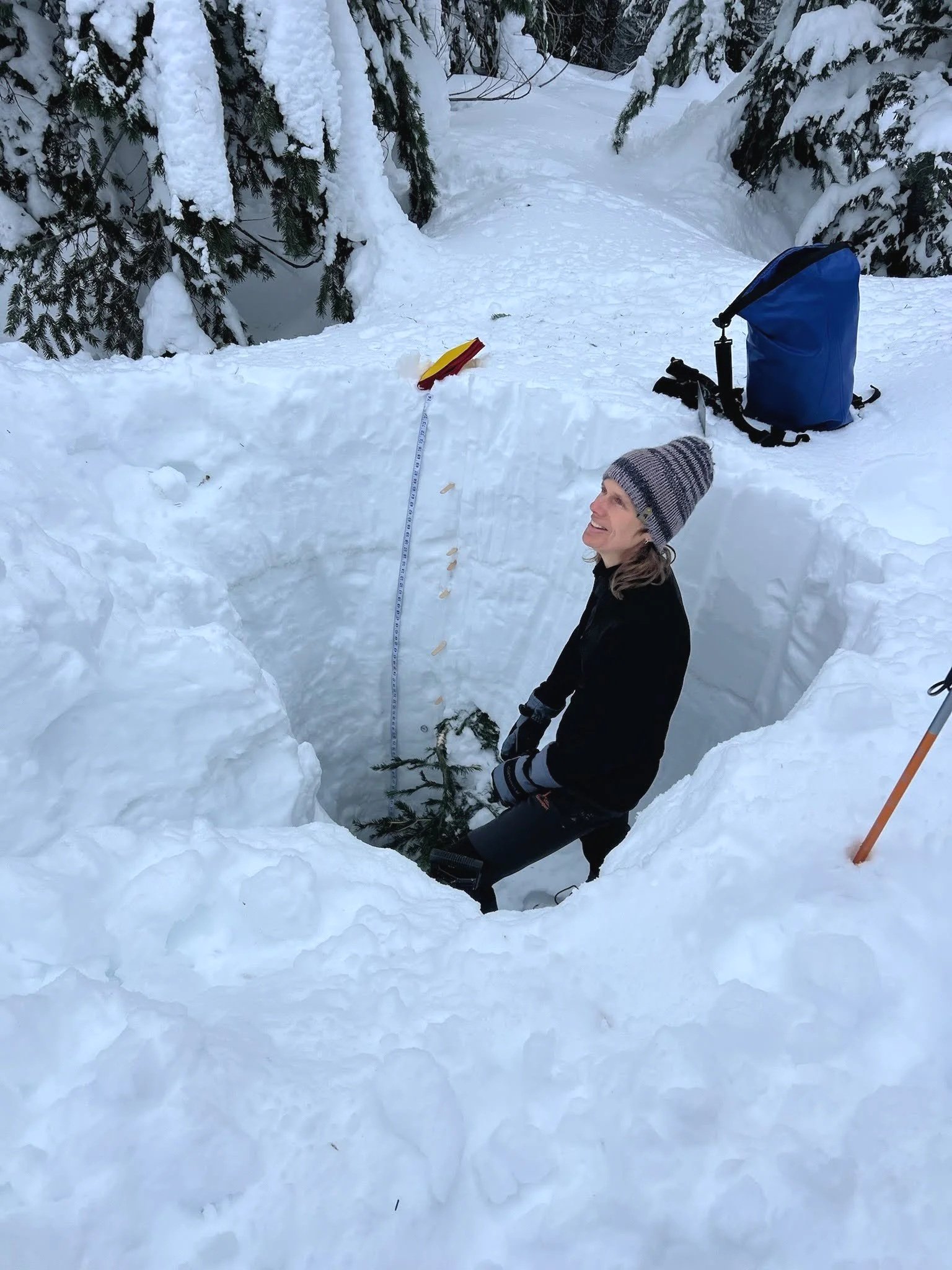
Snow pit depth February 18, 2025
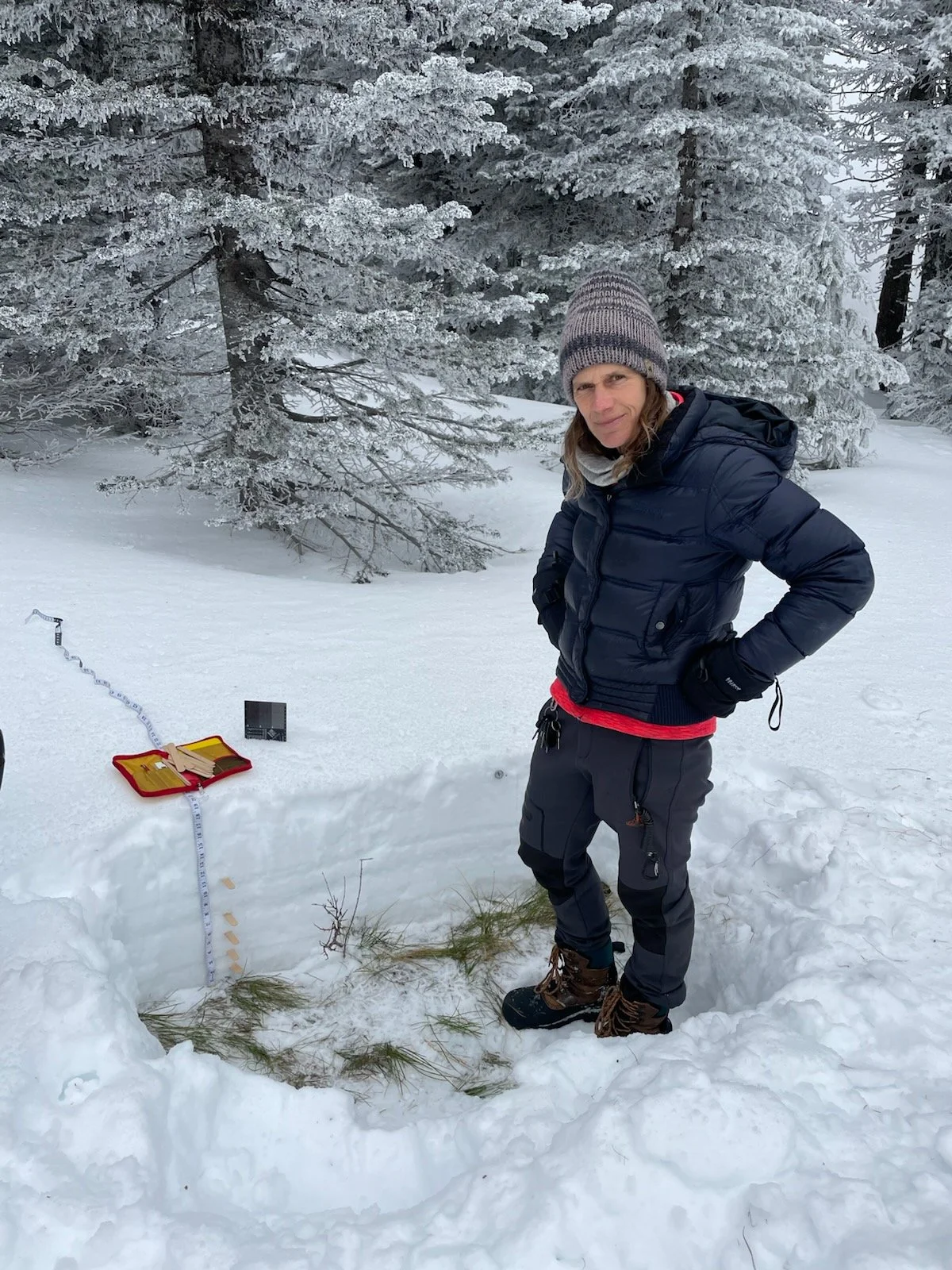
Snow pit depth January 22, 2026
“The snow that we’re snowshoeing on today will melt and become the water we drink in July.”