By Amanda Parrish
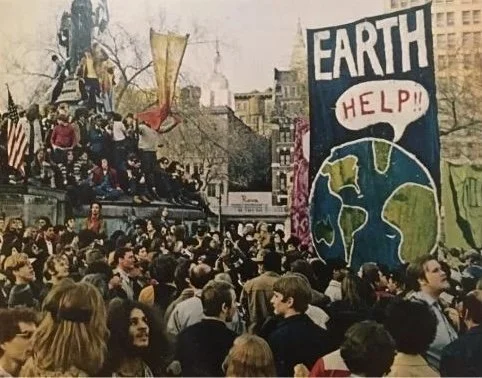
Earth Day 1970
Source: Environmental Action Coalition, NYPL
Each year, Earth Day calls us to celebrate the natural world and take action to protect the lands, waters, and wildlife that sustain us. Earth Day started in 1970, born out of an era of protest movements and growing public awareness of environmental harms, such as the pesticide use highlighted in Rachel Carson’s Silent Spring, the Cuyahoga River catching fire, and a devastating oil spill off the coast of Santa Barbara, California.
The first Earth Day brought 20 million Americans into the streets demanding action on pollution and environmental degradation. Their collective voice helped spur the creation of landmark protections, including the Environmental Protection Agency and laws like the Clean Air Act, Clean Water Act, and Endangered Species Act. The public spoke up, and legislators responded.
Today, 56 years after that first Earth Day, we face new global and local environmental threats. There are real reasons to feel worried right now.
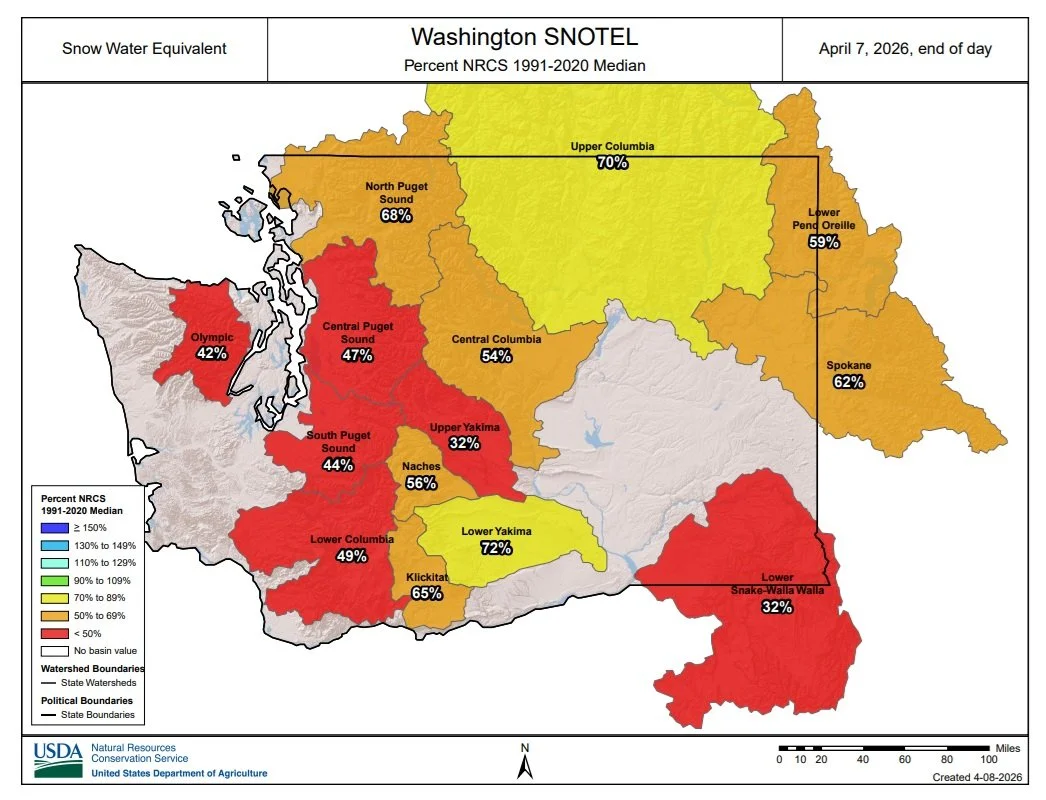
Here in the Inland Northwest, the impacts of climate change are already visible, with low snowpack and a drought declaration for the fourth year in a row. We’re seeing attacks on public lands, attacks on environmental protections, and cuts to funding for climate resilience work that communities like ours rely on.
That’s real.
But here’s something else that’s real:
For 3.8 billion years, life on Earth has been creating conditions conducive to life. That’s what life does. It adapts, it responds, and it builds systems and conditions that support more life. And here’s the best part—we are not separate from that. We are part of it. And that means we have a choice. Are we going to work against those patterns—or with them?
Nature has already shown us what works. One of the strategies that works is diversity. Diversity is strength. It is how life adapts and thrives. On top of that, nature is queer as hell. Variation, fluidity, difference—this is not an exception to the rule. It IS the rule.
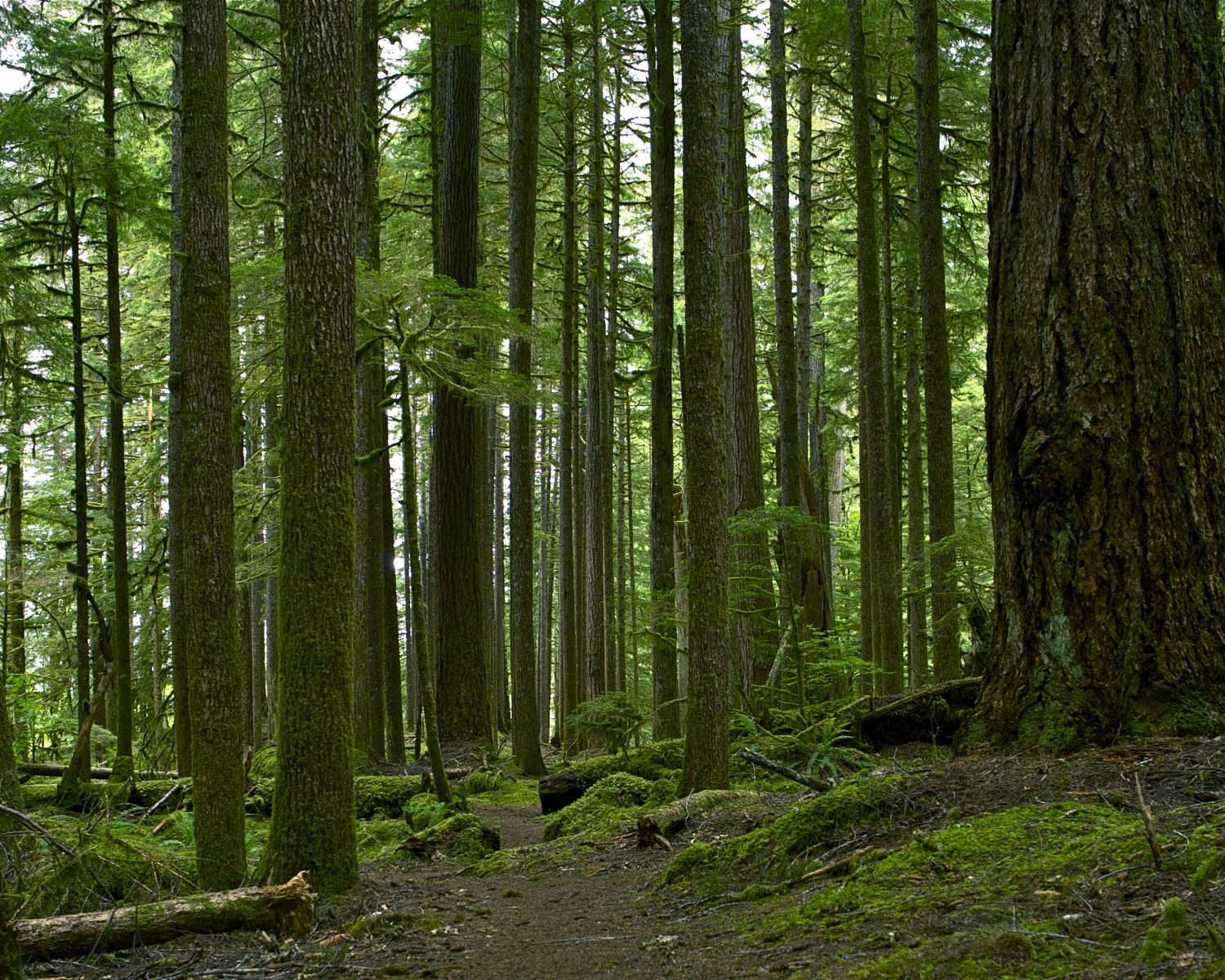
Another pattern we see is when resources are scarce, life doesn’t survive by isolating or hoarding —it survives by sharing. Trees, for example, send nutrients through underground mycelium networks to support other trees, even different species, especially when resources are limited. Ecosystems aren’t built on individual success; they’re built on relationships, on exchange, on interdependence. And we are no exception to that.
Our diversity, our ability to function as a community - these are our strengths. So, if we already know the patterns, and we’re beholden to these patterns, why do we still feel so powerless?
It’s easy to feel powerless at a global level, but all global action starts locally. Let me be one of many people to say: you are not powerless.
Because here’s the truth: agency is the antidote to despair. The ability to act—to protect what we love, to build, to respond—that’s what transforms anxiety into momentum. That’s the difference between something overwhelming you and something you can move through.
I’m the Executive Director of The Lands Council, and everything we do is about creating real ways for people to step into that agency.
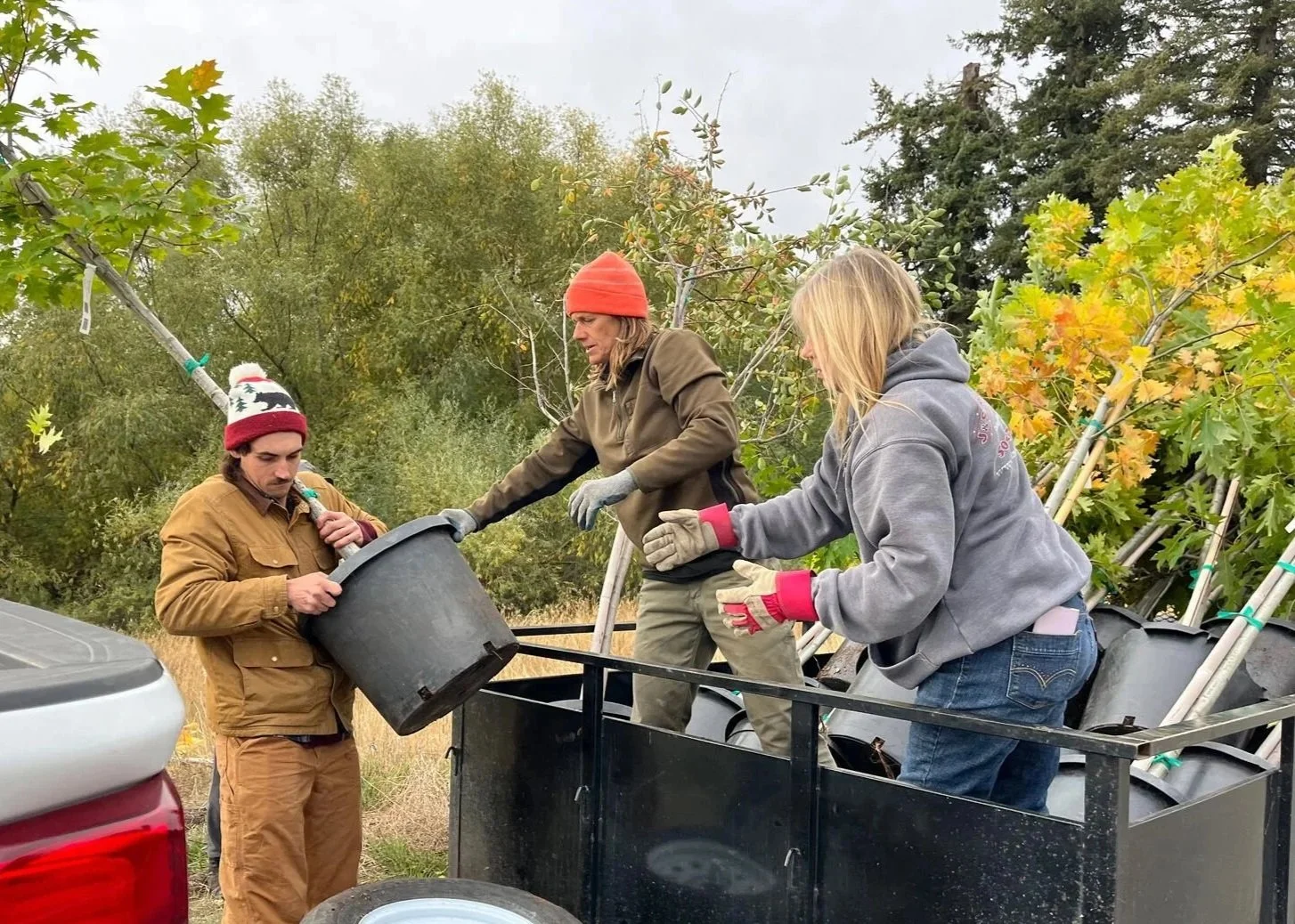
You can come plant trees with us—right here in Spokane—to cool our neighborhoods and make them more livable. Or help plant native trees in our headwater streams to protect the aquifer that gives us our drinking water.
We offer entry-level, paid summer jobs for people who want to get started in environmental work, because this movement should be accessible to everyone.
And if it’s not us, there are so many ways to plug in:
350 Spokane, Inland Northwest Land Conservancy, Spokane Audubon Society, Spokane Riverkeeper, Spokane Zero Waste, just to name a few.
I promise there is a place for you here among us.
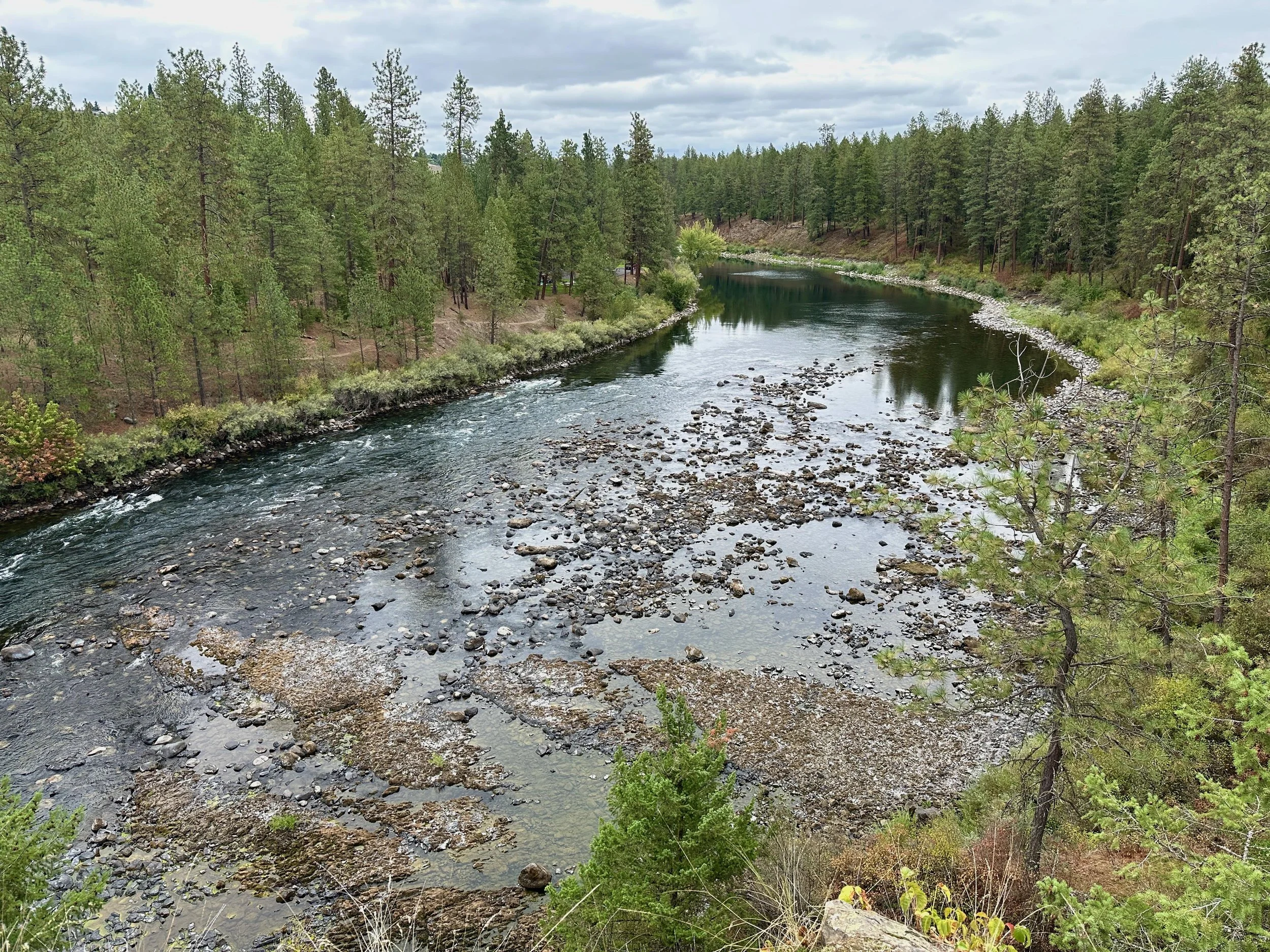
Beyond collective action, small, individual actions matter too. Something as simple as composting your food waste, or signing up for a green bin, can significantly reduce greenhouse gas emissions in our community.
Reducing how much water you use, especially in the summer months, will dramatically decrease the pressure we place upon our river and aquifer in the likely drought season to come.
Even going outside, unplugging from the big tech algorithms, and getting curious about the world around you is a transformative act. That’s how change happens. Not just in big moments—but in consistent ones.
So if you’re here wondering what you can do, this is your answer:
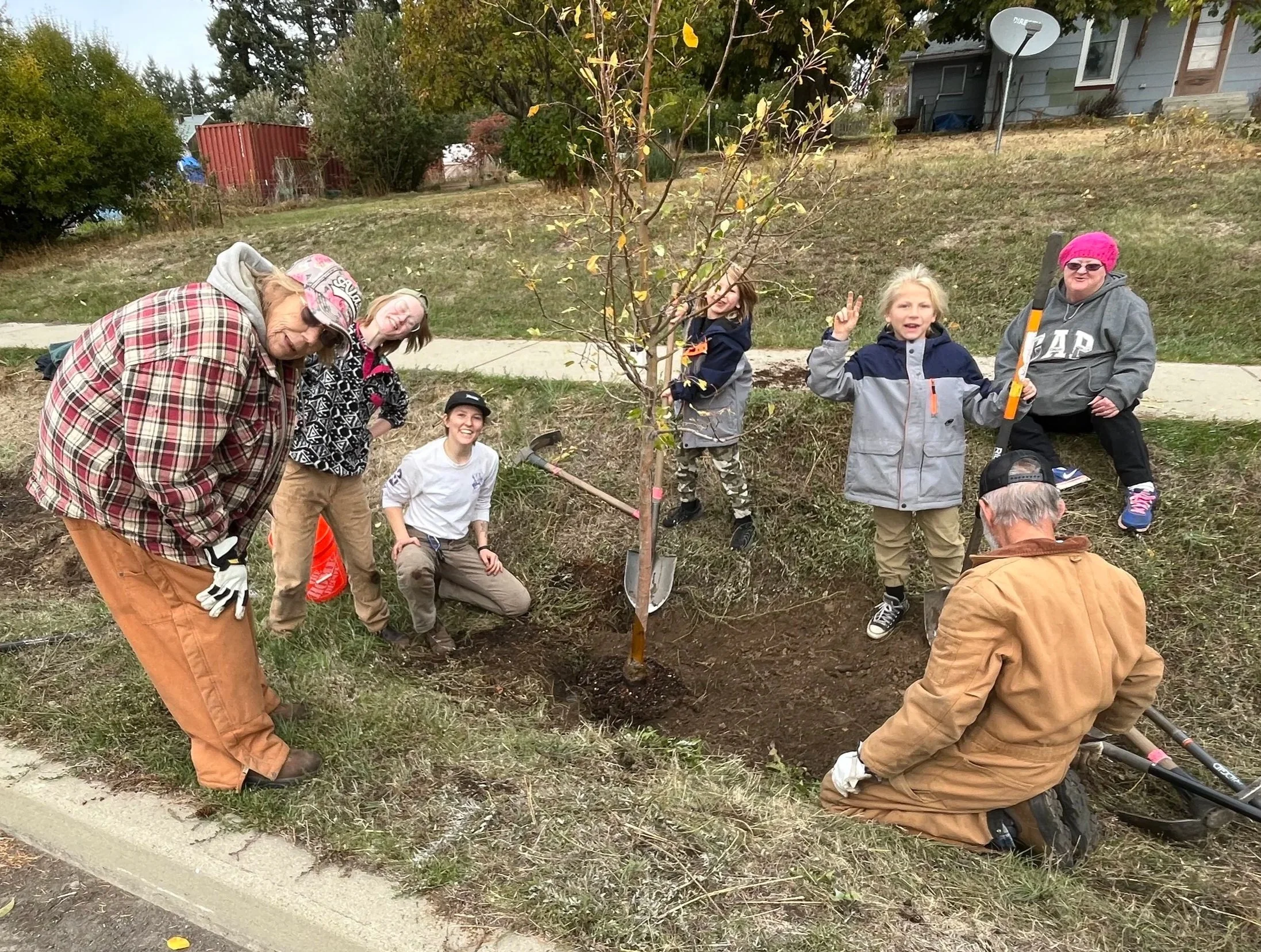
Join us today. Start envisioning the world you want you to see.
Because hope is not passive. Hope inspires acts of resistance. Showing up—choosing to be part of something, choosing to stay engaged—that’s where everything starts. And when you take the time to imagine the world you want, you are doing what life has always done: creating the conditions for life to continue.
For 3.8 billion years, life has been shaping a future where it can survive and thrive.
Let’s choose to do the same. Let’s create conditions for ourselves, for each other, and for coming generations to thrive in.
Adapted from speeches given at Spokane’s No Kings Rally and TLC’s April Showers Auction