By Amanda Parrish
The 2026 legislative session delivered something rare: a meaningful climate policy win shaped by collaboration across communities, geographies, and perspectives.
HB 2416, regarding the regulation of Spokane’s Waste to Energy facility, has officially passed. With it comes a solution that protects Spokane ratepayers, upholds Washington’s Climate Commitment Act, and creates real accountability for reducing waste and greenhouse gas emissions over time.
This is a big deal.
What this means for Spokane
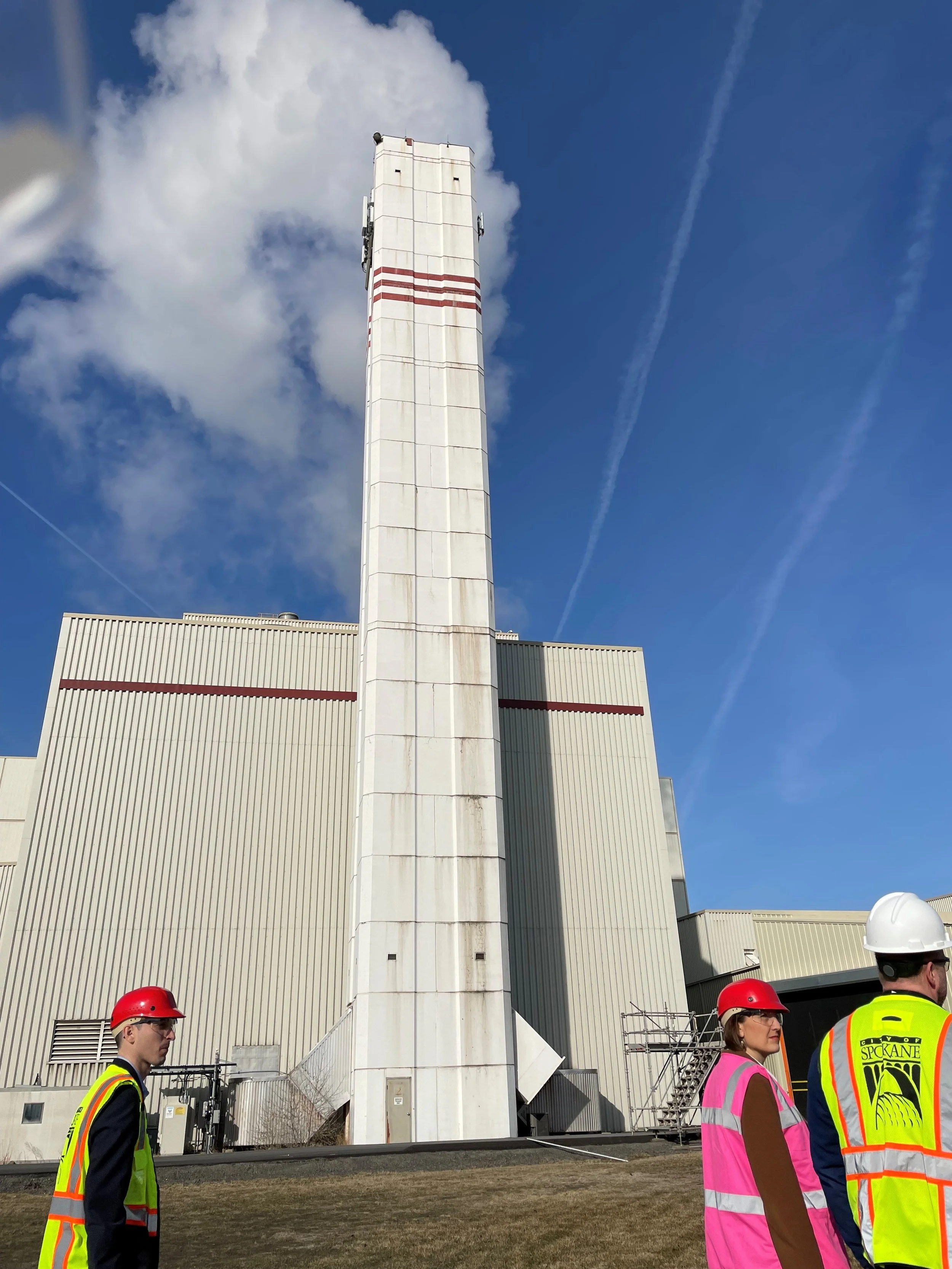
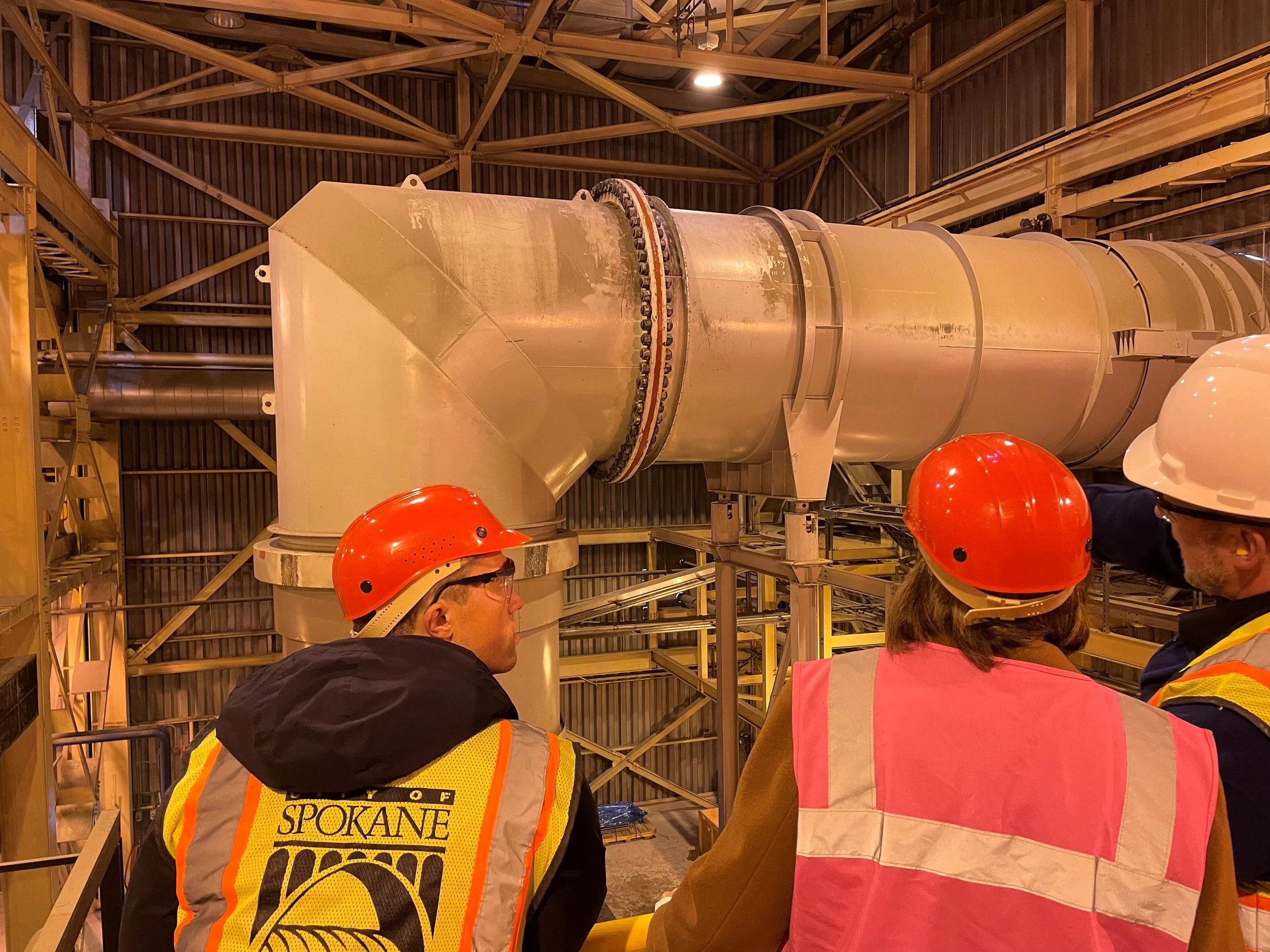
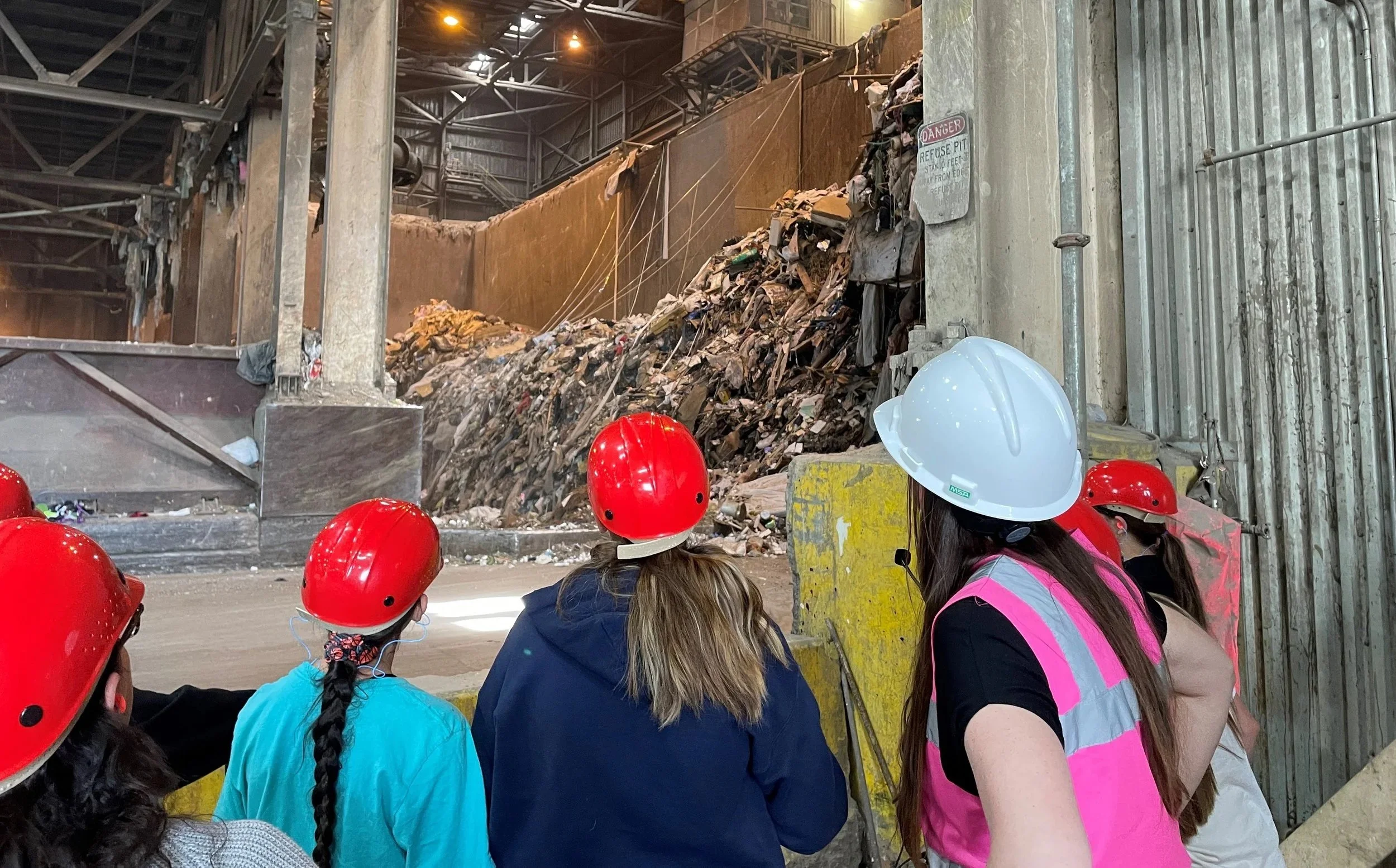
Photos: City of Spokane
Spokane is unique in how we manage waste. Unlike everywhere else in Washington, we don’t send our municipal solid waste to a landfill. Instead, we operate a waste-to-energy facility because landfilling locally poses serious risks to the Spokane Aquifer, our sole source of drinking water.
That difference became a problem under the Climate Commitment Act.
While landfills were given more flexible options to meet Climate Commitment Act standards for reducing greenhouse gas emissions, Spokane’s waste-to-energy facility was not. That meant Spokane alone would bear the full cost of compliance, with the greatest impact on low-income households.
At the same time, we know that incineration is not a long-term solution for managing waste. Reducing waste and emissions must be part of the path forward.
HB 2416 is about resolving that tension: how do we uphold strong climate policy while ensuring fairness for Spokane and protecting our most vulnerable neighbors?
We win when we work together
Over the past year, members of Spokane’s environmental community joined forces to grapple with that question. Local organizations worked closely to develop a shared position rooted in both climate responsibility and environmental justice.
At the same time, we recognized that this issue extended beyond Spokane. Statewide organizations like Washington Conservation Action, Climate Solutions, and Zero Waste Washington have critical expertise that can help these kinds of climate policies succeed.
The Lands Council helped bring these groups into deeper conversation with our local partners, creating space for alignment and problem-solving across regions. That collaboration proved essential.
Working alongside the City of Spokane, the Department of Ecology, and legislative leaders, we were able to move from a complex and sometimes competing set of priorities toward a shared solution.
What the bill does
The final version of HB 2416 reflects that collaboration and delivers meaningful wins on multiple fronts.
It upholds the Climate Commitment Act. Spokane’s waste-to-energy facility remains under Climate Commitment Act regulation, ensuring continued progress on reducing greenhouse gas emissions.
It protects ratepayers. The bill structure is designed to significantly reduce near-term cost impacts, saving Spokane residents millions of dollars while maintaining a pathway to compliance.
It prioritizes equity. Additional flexibility ensures that low-income households are not disproportionately burdened by rising utility costs.
It creates real accountability for waste reduction. The City of Spokane is required to develop a comprehensive waste reduction plan, in coordination with a community advisory body such as the Climate Resilience and Sustainability Board. This plan will chart a path to significantly reduce waste and emissions over time.
It protects our aquifer and community. By maintaining a viable local waste management system, Spokane avoids shifting waste—and its impacts—onto other, often more vulnerable, communities.
This is not a simple policy fix. It’s a balanced approach that recognizes Spokane’s unique circumstances while keeping us aligned with the state’s broader climate goals.
What’s next
Passing HB 2416 is a major milestone, but the next phase depends on all of us.
A big part of reducing emissions from Spokane’s waste system comes down to something simple and tangible: keeping food scraps and other organics out of the trash. When organic waste goes to the waste-to-energy facility, it increases greenhouse gas emissions. When it’s composted, those emissions drop significantly.
That means the most important next step for many households is to use your green bin, or start a backyard compost pile, and keep organics out of your trash can. Small, everyday actions across our community will add up to meaningful climate impact.
At the same time, the City will be developing a waste reduction plan with community input, creating a roadmap for continued progress and accountability.

A shared success
This outcome reflects strong collaboration across Spokane and the state. We’re grateful to our local partners—Measure Meant, Community Building Foundation, 350 Spokane, Zero Waste Spokane, and the Upper Columbia River Sierra Club—as well as statewide partners including Washington Conservation Action, Climate Solutions, and Zero Waste Washington.
We also thank the City of Spokane, the Department of Ecology, and our legislative champions Rep. Natasha Hill and Sen. Marcus Riccelli for their leadership in getting this across the finish line.
These partnerships show what’s possible when we work together to create solutions that are equitable and effective for both people and the environment.