By Adam Gebauer, Public Lands Program Director
After a disaster like the Spokane Complex Fires, we ask: why did this happen?
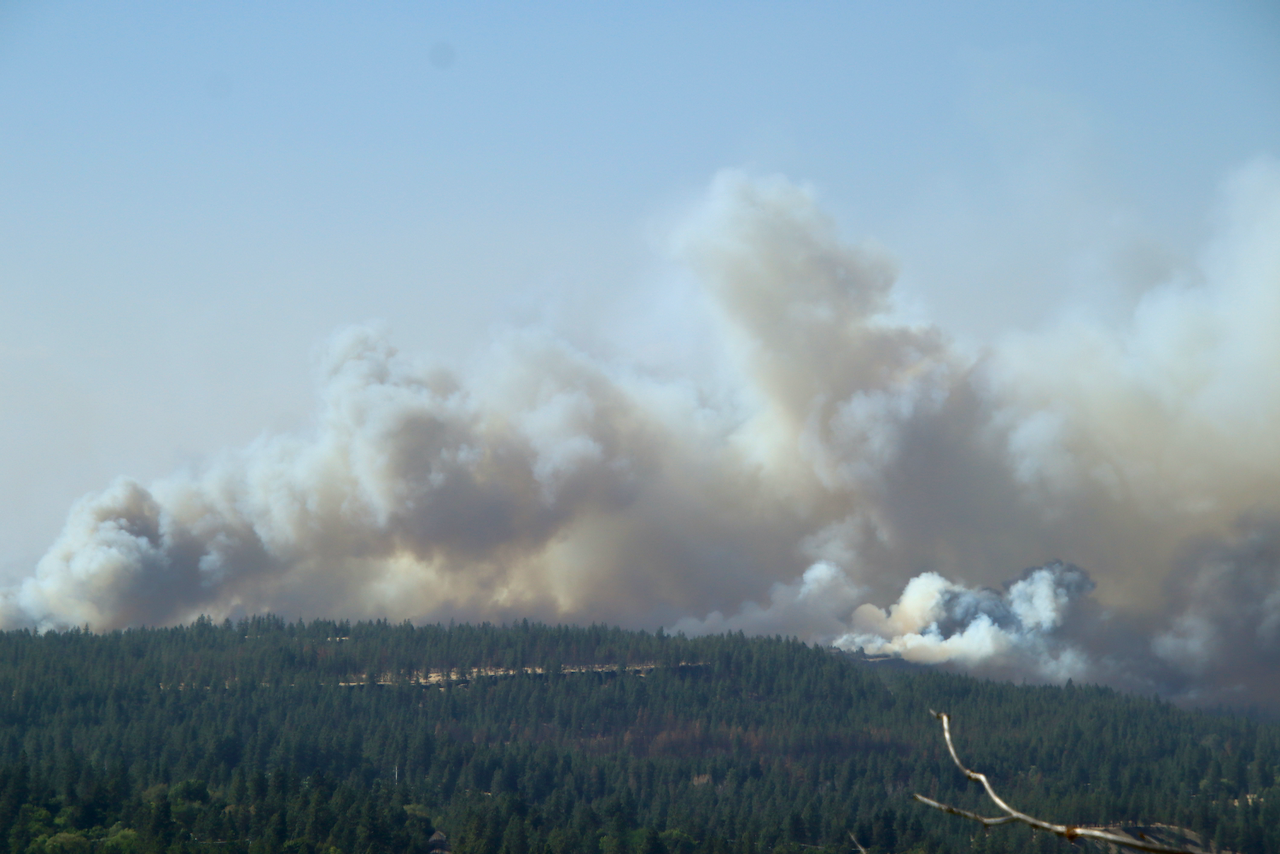
This fire is the latest in a series of wildfires that have affected thousands in Spokane, on the Colville Reservation, the Spokane Reservation, Stevens County, Chelan, as well as many in central and eastern Oregon and countless other places across the US and Canada. Today, an estimated 85-95% of wildfires are started by people. But regardless of how a fire begins, today's wildfires are burning larger, hotter, and more frequently than they have in the past.
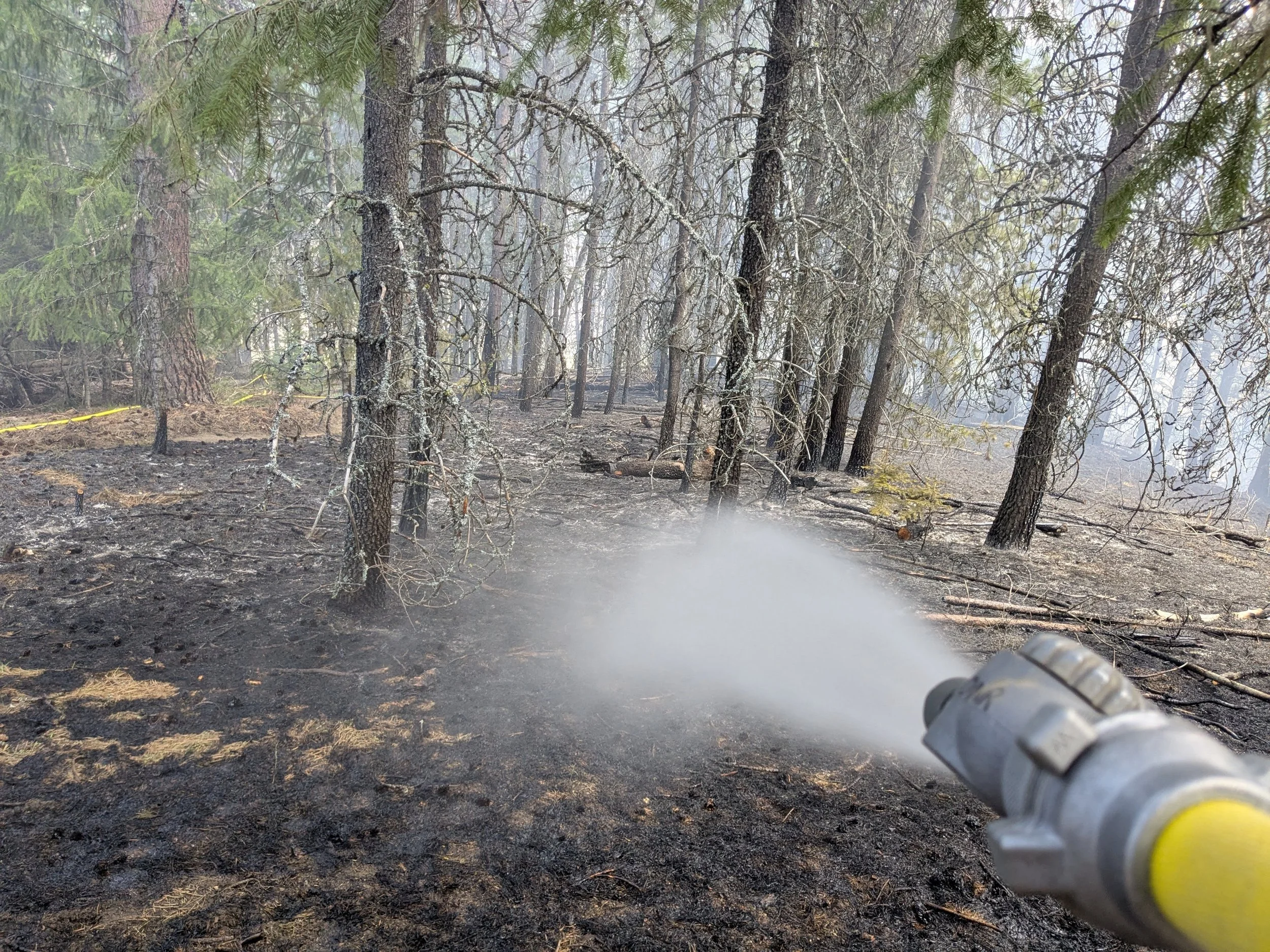
There isn’t one single factor as to why we are experiencing these catastrophic fires. All of Washington is in the fourth year of drought. We had one of the lowest recorded snowpacks this winter. Our climate is changing faster than our forests can adapt. Natural and human-caused fires have been suppressed for almost 200 years. This has led to a buildup of fuels on the forest floor and more trees on the landscape. In many places, these trees are smaller, more densely spaced, and less fire-tolerant than what was there historically. Drought has stressed trees, making them more vulnerable to disease outbreaks and beetle infestations.
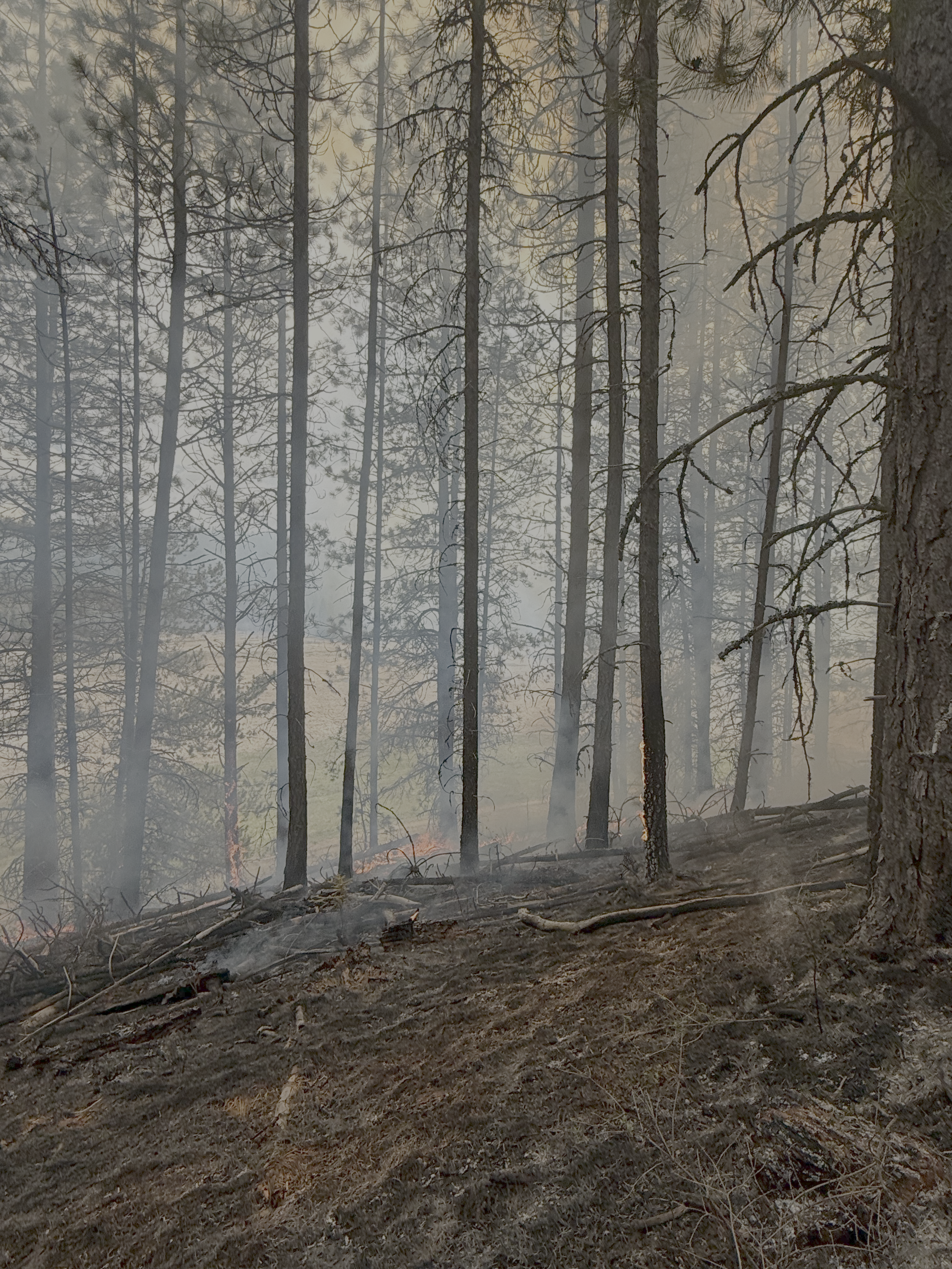
Our western forests have evolved with fire on the landscape. Low-elevation ponderosa stands would have frequent, low-intensity fires – clearing out the fuels on the ground and setting the stage for the next generation of trees. In higher elevation areas, fires are less frequent but more severe when they happen. When fire burns through neighborhoods, fire-adapted trees like ponderosas are often left standing while homes burn.
Human-caused fires were a regular tool for Tribes across the west. There was an understanding of the usefulness of fire to increase berry yields and other vital plants, open hunting grounds, and create pasture for horses when they showed up on the landscape. There was and is a cultural and communal relationship with fire that has been suppressed and nearly lost.
Eastern Washington and Oregon had an unprecedented fire warning on Saturday, a "Particularly Dangerous Situation." When heat, drought, and winds combine like they have this summer, and especially on Saturday, there is little we can do to suppress these fires before they cause harm. We are thankful for the quick and integrated response from all firefighting personnel who have been working tirelessly amidst difficult conditions.
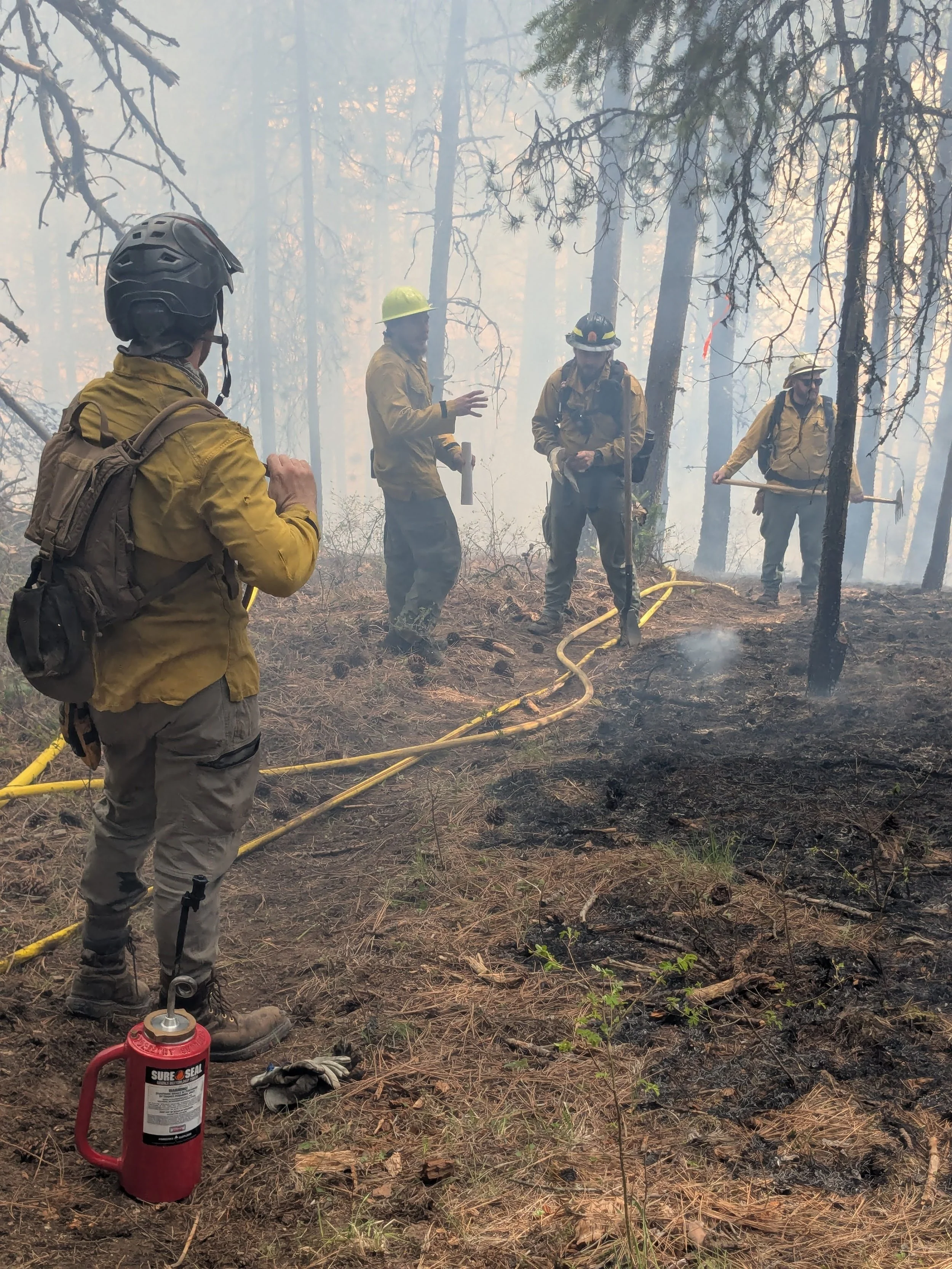
So, how do we protect our community from fire? Fuels reduction and prescribed fire can slow the rate of spread and create safe areas for wildland fire crews to fight fires. Protecting wetland areas creates fire refugia that resist flames and aid in recovery. Embers can spread well ahead of the fire, landing on roofs, pine needles, and firewood piles, increasing the speed of a fire’s growth; hardening your home and landscape can be the reason one home burns and the neighboring home is untouched.
The hard truth is we're behind on both mitigating catastrophic wildfire and building community preparedness. While we can't prevent every wildfire, we can reduce their severity and better protect our communities. This means investing in better forest management, confronting a changing climate, and in doing so, relearning the beneficial, communal relationship with fire that our landscapes and our communities once had.